
Plastic Surgeon Treatment Options Near Travis Ranch
Choosing a plastic surgeon is a personal healthcare decision, whether you are considering a cosmetic procedure or seeking reconstructive care. Residents of Travis Ranch can explore options with board-certified plastic surgeons who serve the area, then compare consultation availability, procedure experience, facility arrangements, and follow-up plans. Since services and travel times vary, confirm directly with each practice which locations and treatments are currently available to patients near Travis Ranch.
A first consultation is an opportunity to discuss your goals, medical history, expected results, risks, and recovery needs. Ask whether the surgeon is certified by the American Board of Plastic Surgery, where procedures are performed, and who will provide care after surgery. A qualified surgeon should explain alternatives and limitations without pressuring you to proceed. Insurance coverage depends on the reason for treatment and your plan, so check benefits with your insurer and the provider before scheduling.
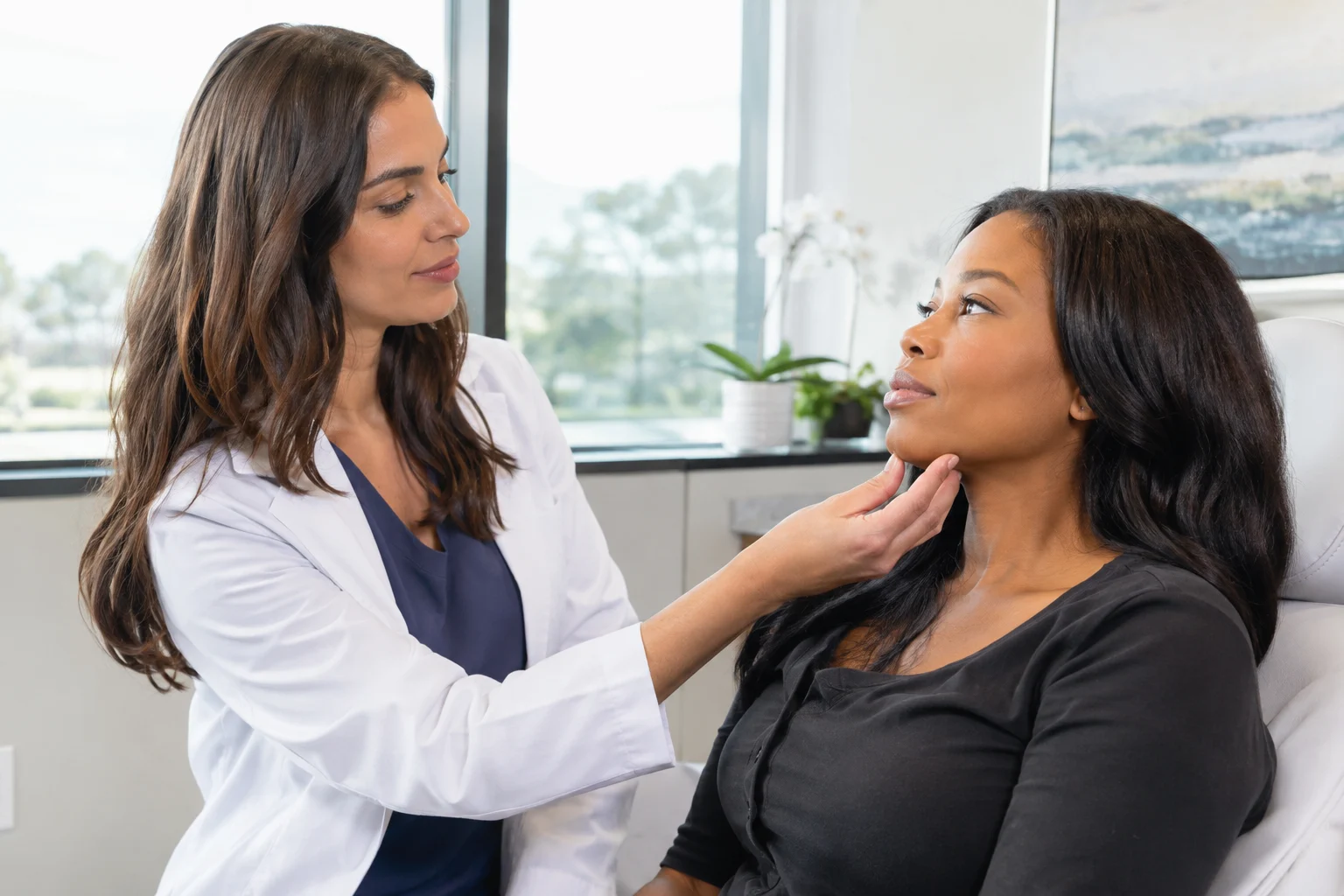
Finding plastic surgery care near Travis Ranch
People looking for a plastic surgeon near Travis Ranch can begin by identifying practices that serve the community and confirming where consultations and procedures take place. Some surgeons see patients at more than one office or operate at a separate accredited facility. Ask about the location for each stage of care, including preoperative appointments, surgery, and follow-up visits. Planning these details in advance can help you make an informed choice and arrange transportation and time away from work or other responsibilities.
Credentials and communication matter as much as convenience. Verify that a surgeon is certified by the American Board of Plastic Surgery, and ask about experience with the specific procedure you are considering. During a consultation, the surgeon should review your health history, explain realistic outcomes, discuss risks and alternatives, and give you time to make a decision. You can also ask who to contact with questions after the procedure and how urgent concerns are handled.
Cosmetic and reconstructive treatment options
Plastic surgeons provide a range of services. Which options are appropriate depends on your health, goals, and the surgeon’s assessment. Common areas to discuss include:
- Facial procedures: Surgical options may address features such as the nose, eyelids, ears, or facial contours. A consultation should cover expected changes, healing, and potential effects on function.
- Breast procedures: Options may include augmentation, reduction, lift, or reconstruction. The reason for treatment can affect planning, recovery, and possible insurance coverage.
- Body procedures: Some patients ask about procedures that change body contours, such as abdominoplasty or liposuction. These are not substitutes for weight management or general health care, and candidacy is assessed individually.
- Reconstructive care: Treatment may help restore form or function after injury, illness, or another medical event. Your surgeon can explain whether coordinated care with other clinicians is appropriate.
- Non-surgical treatments: Some practices offer injections or other office-based treatments. Ask who performs them, what results are realistic, and what side effects or maintenance may be involved.
What to expect from a consultation
Bring a list of questions, relevant medical information, and a clear description of what you hope to change or restore. Share medications, supplements, allergies, prior procedures, and tobacco or nicotine use, as these details can affect safety and healing. Your surgeon may recommend waiting, choosing a different approach, or not having a procedure if the risks outweigh the likely benefit. A second opinion is reasonable when you want more perspective or feel uncertain.
Before committing, request a written explanation of fees and what they include. Confirm whether costs for anesthesia, the surgical facility, tests, garments, or follow-up care are separate. For reconstructive treatment, ask your insurer how prior authorization and medical-necessity review work. Cosmetic procedures are often not covered, but coverage rules vary by plan and circumstances; obtain confirmation rather than relying on assumptions.
Planning for safety and recovery
Ask where surgery will take place and whether the facility is appropriately accredited or licensed for the procedure. Discuss anesthesia, possible complications, recovery milestones, and what symptoms require prompt medical attention. Follow the surgeon’s instructions before and after treatment. Depending on the procedure, you may need someone to drive you home and help during early recovery, so arrange support before the date is set.
Choosing care near Travis Ranch can make consultations and follow-up planning more manageable, but proximity should not replace careful evaluation. Compare qualifications, experience, communication, facility standards, and the full care plan. A trustworthy practice will answer questions clearly, describe uncertainty honestly, and allow you to decide without pressure. If a provider cannot explain credentials or how care will be coordinated, consider seeking another qualified opinion.
Plastic Surgery Care for Travis Ranch Residents
Travis Ranch residents may look to providers serving the surrounding area for cosmetic consultations, reconstructive evaluations, and follow-up care. Because each practice sets its own service locations and schedule, confirm whether appointments are available to patients from Travis Ranch and where consultations or procedures occur. Ask about travel between office visits and the surgical facility, as well as how postoperative questions are handled when you are back home.
When comparing options, consider the practical demands of treatment alongside the surgeon’s qualifications. A convenient appointment location can help with planning, but procedures may require time off, a companion for transportation, and help during recovery. Ask for a realistic timeline before deciding, and make sure follow-up arrangements fit your needs. For reconstructive care, clarify how the plastic surgeon will coordinate with any other clinicians involved in your treatment.
The best choice is an appropriately qualified surgeon who listens carefully, explains benefits and risks, and offers a clear plan tailored to your health and goals. Verify board certification and facility details, review written cost information, and check insurance requirements when relevant. Taking time to compare providers helps Travis Ranch patients make decisions based on safety, communication, and suitability—not just convenience.
Frequently Asked Questions About Plastic Surgeon in Travis Ranch, Texas
What can a plastic surgeon help with?
Plastic surgeons may provide cosmetic procedures intended to change appearance, as well as reconstructive care after injury, illness, or prior surgery. The right options depend on your goals, health, and the surgeon’s training and services. At a consultation, explain what you hope to address and ask which approaches may be appropriate, including whether surgery is necessary. A clinician can discuss likely benefits, limitations, risks, and alternatives based on your individual situation.
How can I choose a plastic surgeon serving patients in Travis Ranch?
Look into a surgeon’s education, specialty training, relevant experience, and credentials, and verify professional information through reliable official sources. Ask how often they perform the procedure you are considering and where it would take place. During a consultation, notice whether the surgeon listens, explains risks in plain language, and welcomes questions. You should understand who will provide your care before, during, and after surgery, rather than relying on promotional claims alone.
How do I know whether I’m a good candidate for plastic surgery?
Candidacy is determined individually, not by a single age, body type, or desired result. A surgeon will review your medical history, medications, health conditions, prior procedures, and goals, and may recommend an examination or additional evaluation. Be prepared to discuss smoking or nicotine use and any health changes. A responsible plan should account for potential risks and realistic outcomes; the surgeon may advise postponing surgery or considering another option if that is safer.
What should I plan for during recovery after plastic surgery?
Recovery varies with the procedure, your health, and how your body heals. Before scheduling, ask about expected discomfort, activity restrictions, wound care, follow-up visits, and signs that need prompt medical attention. Arrange help at home and transportation if your care team recommends them, and allow enough time away from work or caregiving duties. If you live in or near Travis Ranch, discuss how follow-up care will work and whom to contact with concerns.
How much does plastic surgery cost, and what should an estimate include?
The total cost depends on the procedure, the care setting, anesthesia, and your individual treatment plan, so a reliable estimate requires a consultation. Ask for an itemized written estimate and clarify which professional, facility, medication, testing, and follow-up charges are included or separate. Also ask how revisions or unexpected care are handled. Compare plans based on the proposed care and qualifications, not price alone, and avoid committing before you understand the financial terms.
Will health insurance cover plastic surgery?
Coverage usually depends on whether the treatment is considered medically necessary under your plan; procedures performed solely for cosmetic reasons are generally not covered. Reconstructive care may have different coverage rules, but approval is not automatic. Ask the surgeon’s office what documentation may be available, then contact your insurer directly to confirm benefits, prior authorization requirements, deductibles, and any network restrictions. Get the insurer’s guidance in writing when possible, and clarify which costs remain your responsibility.
What safety questions should I ask before scheduling a procedure?
Ask what risks are associated with your specific procedure, how your health affects those risks, and what steps are used to reduce them. Find out where surgery will occur, who will administer anesthesia, and how complications or urgent concerns are managed. Discuss your medications, allergies, nicotine use, and medical history honestly. Request clear preoperative instructions and a way to reach the care team after surgery. Take time to consider the answers before deciding.
Could a nonsurgical treatment address my concern instead?
Possibly. Some concerns may be addressed with nonsurgical treatments, while others may require surgery or may not be meaningfully changed by available options. Each approach has different benefits, limitations, risks, duration of results, and recovery needs. Describe the change you want rather than assuming a particular procedure is the answer. A qualified clinician can explain suitable alternatives and help you compare them. Ask whether a proposed treatment is appropriate for your health and goals before proceeding.