
Plastic Surgeon Treatments Near Fairview, Texas
People in Fairview considering plastic surgery can explore both cosmetic procedures and reconstructive care with a qualified plastic surgeon serving the area. The first step is usually a consultation: a chance to discuss goals, medical history, possible treatment options, expected outcomes, risks, recovery, and cost. Depending on the procedure and the surgeon’s practice, appointments or treatment may be available in Fairview or in a nearby North Texas community, so confirm location and travel requirements before booking.
A thoughtful choice starts with checking the surgeon’s training, credentials, experience with the procedure you are considering, and the facility where care will take place. Ask who will provide anesthesia, how follow-up visits are arranged, and whom to contact if a concern arises after treatment. Whether you are seeking a change in appearance or care after an injury, illness, or previous procedure, a personalized evaluation can help you understand what is appropriate for your health and circumstances. There is no need to make a decision at the first visit; clear answers and realistic expectations matter.
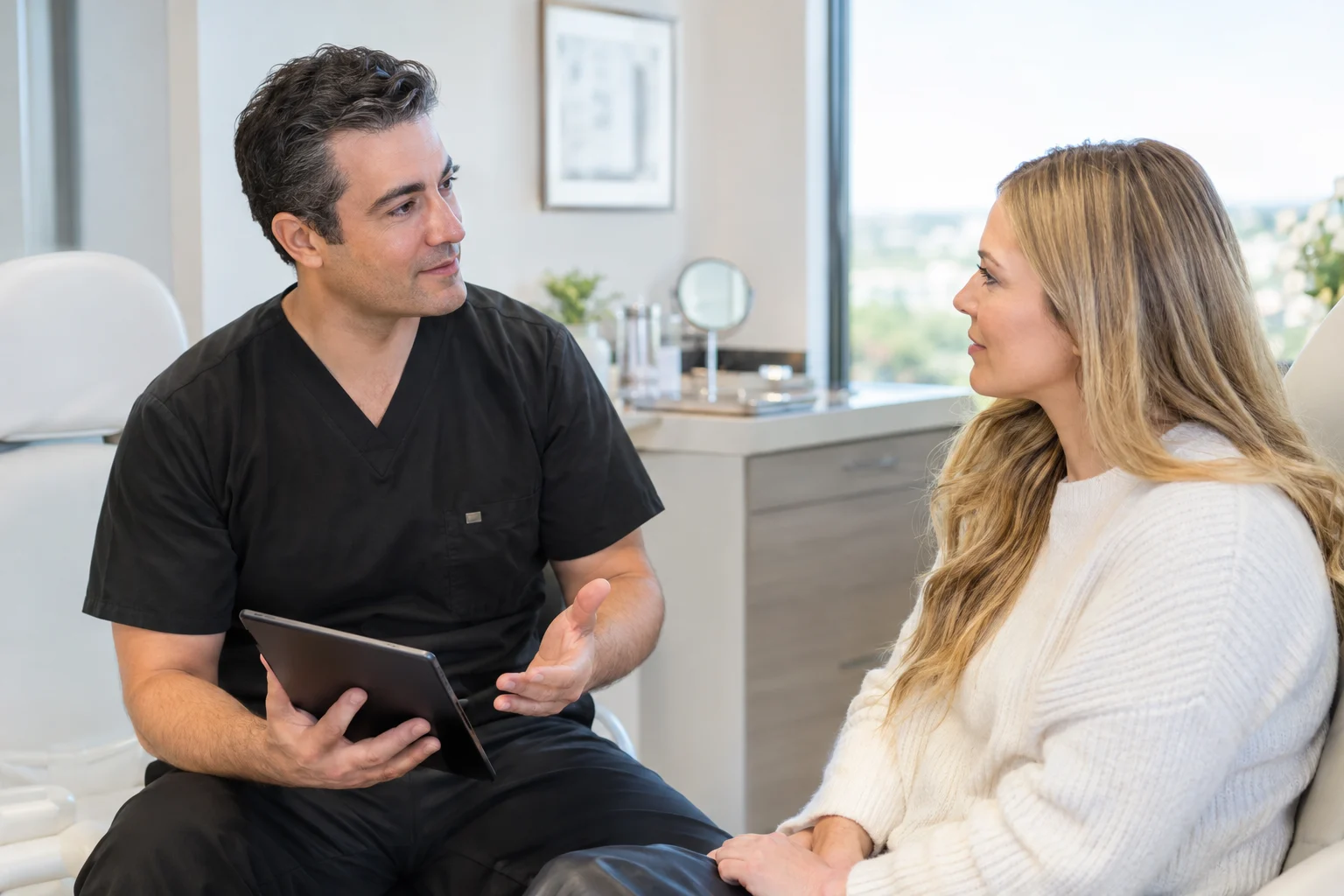
Finding plastic surgery care near Fairview
Fairview residents can begin by identifying the type of care they are looking for. Plastic surgeons may offer cosmetic services, reconstructive procedures, or both. Cosmetic care is intended to change or refine appearance, while reconstructive care may address areas affected by injury, illness, congenital differences, or prior treatment. A surgeon can explain whether a particular concern falls within their expertise and whether surgery, a nonsurgical option, or another specialist is more appropriate.
Practices serving the Fairview area may be located in town or elsewhere in the surrounding North Texas region. When comparing options, check the practice’s current service area and ask where consultations, procedures, and follow-up appointments take place. Consider travel time, parking, accessibility, and whether someone will need to accompany you. After some procedures, driving yourself may not be safe or permitted, and you may need help at home during early recovery.
What to expect at a consultation
A consultation is an opportunity to discuss your goals and receive an individualized assessment. The surgeon will typically ask about your health, medications, allergies, prior procedures, and relevant medical history. Be open about your expectations and concerns, including how a procedure could affect daily activities and how much recovery time you can accommodate. Your clinician may examine the area and discuss options, limitations, risks, and alternatives. An assessment does not guarantee that surgery is suitable; the decision should be based on your health and a careful review of potential benefits and drawbacks.
Before committing, ask clear questions and request explanations in language you understand. Helpful topics include:
- The surgeon’s qualifications and experience with the specific procedure.
- Where the procedure will be performed and whether the facility is appropriately accredited.
- Who provides anesthesia and how your safety is monitored.
- Likely recovery milestones, restrictions, follow-up schedule, and warning signs.
- What fees include, what may be billed separately, and how insurance applies if care is reconstructive.
Choosing a qualified plastic surgeon
Verify credentials independently rather than relying only on advertising. In the United States, you can check whether a physician is certified by the American Board of Plastic Surgery and confirm state medical licensure through the appropriate Texas licensing resources. Ask about training, current practice, and experience with your specific needs. You can also request information about the surgical setting and the team involved in your care. A responsible practice welcomes questions, discusses risks as well as benefits, and does not pressure you to book immediately.
Be cautious of unusually broad promises, guaranteed results, or offers that make it difficult to understand the total cost. Before-and-after images may help explain a surgeon’s work, but results vary and images cannot predict your individual outcome. A second opinion can be useful when a procedure is complex, when recommendations differ, or when you want greater confidence before deciding.
Planning for treatment and recovery
Accessing plastic surgeon treatments near Fairview involves more than selecting a procedure. Ask how far in advance appointments are available, whether an initial consultation can be scheduled remotely, and which parts of care require an in-person visit. Confirm how records, referrals, and test results should be shared. If you are considering reconstructive treatment, contact your health plan to understand referral rules, prior authorization, network status, and potential out-of-pocket costs; coverage depends on the plan and the reason for care.
Recovery planning should be part of the decision from the beginning. Follow the surgeon’s instructions about preparing for treatment, medications, activity, wound care, and follow-up. Arrange transportation and practical help if advised, and allow time away from work or caregiving responsibilities as appropriate. Contact your care team promptly if you experience symptoms they identify as concerning. For severe or life-threatening symptoms, seek emergency care. An informed plan helps Fairview-area patients approach plastic surgery with realistic expectations and a clearer understanding of the care journey.
Plastic Surgery Care for Fairview Residents
Fairview is a community in Collin County, within the broader North Texas region. Residents looking for plastic surgery can start by searching for qualified surgeons who serve Fairview and asking whether consultations and procedures are offered locally or in a nearby community. Since the location of care can differ by practice and treatment, confirm the details directly rather than assuming every service is available in town. Planning for travel and follow-up appointments can make the process more manageable, especially when a procedure requires assistance or limits driving during recovery.
The area’s mix of residential neighborhoods and regional connections makes access, scheduling, and continuity of care useful factors to consider. A convenient location is valuable, but it should not replace careful review of a surgeon’s credentials, experience, facility, and approach to patient safety. Fairview patients may be considering cosmetic goals or reconstructive needs, and the right options depend on individual health, priorities, and clinical assessment. Ask how the practice coordinates consultations, testing, procedure-day instructions, and post-treatment questions so you know what support is available.
Taking time to compare providers helps residents make decisions that fit both their health needs and everyday responsibilities. Prepare questions, understand the likely recovery demands, and review costs and insurance requirements before proceeding. A consultation with a qualified plastic surgeon can provide tailored information without obligating you to choose surgery.
Frequently Asked Questions About Plastic Surgeon in Fairview, Texas
What procedures can a plastic surgeon help with?
Plastic surgeons may offer cosmetic procedures, such as facial or body surgery, as well as reconstructive care after an injury, illness, or previous operation. The services available vary by surgeon and practice, so Fairview residents should check directly whether a particular procedure is offered. A consultation can help clarify whether surgery, a nonsurgical option, or another type of specialist is appropriate. Ask about expected benefits, limitations, risks, and alternatives before deciding.
How can I choose a plastic surgeon near Fairview?
Start by confirming the surgeon’s training and relevant credentials through reliable professional or government sources, then ask how often they perform the procedure you are considering. Discuss where surgery would take place, who provides anesthesia, and what follow-up care is included. Review before-and-after photographs only as examples, not promises of your result. Choose someone who answers questions clearly, explains risks, and gives you time to make an informed decision.
What should I expect at a plastic surgery consultation?
A consultation generally involves discussing your goals, medical history, medications, and any prior procedures. The surgeon may assess the area of concern and explain suitable options, likely recovery needs, possible complications, and expected limitations. Bring a list of questions and disclose relevant health information honestly. You should leave understanding the proposed plan and next steps, rather than feeling pressured to book. If something is unclear, ask for an explanation before consenting.
How much does plastic surgery cost, and will insurance cover it?
The cost depends on the procedure, facility, anesthesia, and the care required before and after surgery. Request a written estimate that explains what is included and which expenses could be separate; do not rely on a general online figure as a final quote. Insurance coverage is usually determined by the policy and whether the treatment is considered medically necessary. Ask the insurer and the practice what documentation or approvals are needed before scheduling.
How long should I plan to recover after plastic surgery?
Recovery varies considerably with the procedure, your health, and the kind of work or activity you do. Your surgeon should provide individualized instructions about rest, wound care, medications, lifting, exercise, and returning to work or driving. Arrange practical help at home if you may have limited mobility or cannot drive immediately after anesthesia. Before making plans in Fairview or elsewhere, confirm the recommended follow-up schedule and whom to contact with concerns.
What safety questions should I ask before surgery?
Ask where the operation will be performed, what type of anesthesia is planned, who will administer it, and how your health will be assessed beforehand. Discuss your personal risks, medication instructions, infection prevention, and the plan for managing complications or urgent concerns. Make sure you understand the consent forms and post-operative instructions. If you have medical conditions or take prescription or nonprescription products, share that information early so the care team can advise you.
Can I consider nonsurgical options instead of plastic surgery?
Depending on your concern, a surgeon may discuss nonsurgical treatments, surgery, or no treatment as possible choices. These options are not interchangeable: results, duration, risks, and recovery needs differ. Ask what each approach can realistically achieve, whether it suits your medical history, and what maintenance or follow-up might be needed. A responsible recommendation should explain limitations as well as benefits, and you can take time to compare options before making a decision.
How do I know whether I am a suitable candidate for plastic surgery?
Suitability depends on your health, the specific procedure, your reasons for considering it, and whether your expectations are realistic. A surgeon may review medical conditions, medications, prior operations, and habits that can affect healing, then recommend evaluation or changes before proceeding. Be prepared to discuss what you hope will change and what a procedure cannot accomplish. The consultation is also your chance to decide whether the proposed risks and recovery fit your circumstances.