
Plastic Surgeon: What Nevada Patients Should Know
People in Nevada, Texas, considering plastic surgery can begin by clarifying what they hope to address and learning which type of specialist is qualified to help. Plastic surgeons provide reconstructive care as well as elective procedures, and the right option depends on a person’s health, goals, and circumstances. Some consultations or follow-up appointments may be available in or near Nevada; for specialized procedures, residents may need to travel to another North Texas community. Availability varies, so confirm a practice’s location and services directly before making plans.
A careful search is about more than finding the closest appointment. Patients can compare qualifications, ask who will perform the procedure, understand where surgery takes place, and discuss recovery support before deciding. A qualified plastic surgeon should explain likely benefits, limitations, risks, alternatives, and costs in clear language without pressuring a patient. Taking time to prepare questions and review credentials can help Nevada residents make informed choices and plan for care that fits their needs.
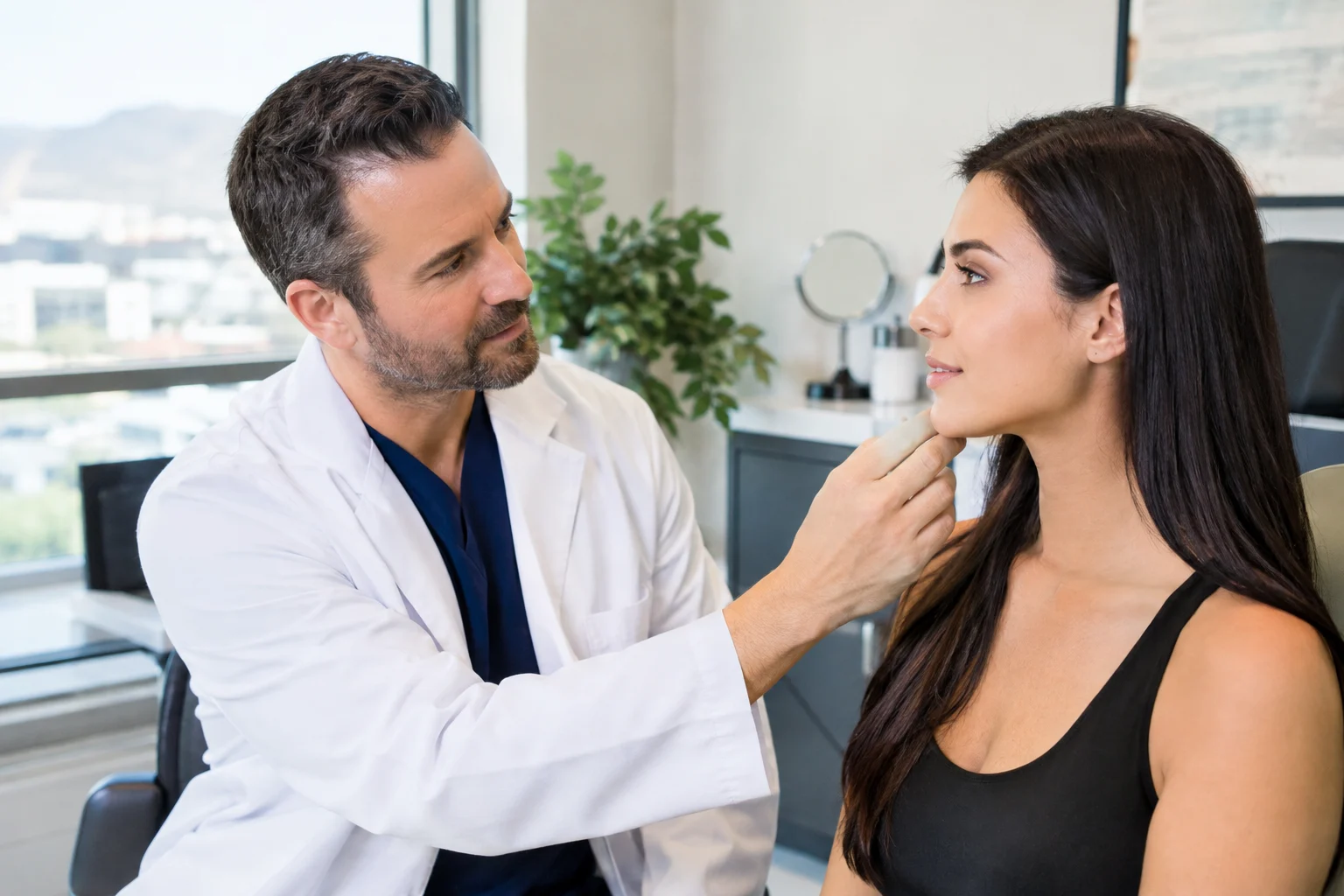
Finding plastic surgery care near Nevada
Nevada residents can start by asking their primary care clinician for a referral or searching for plastic surgery practices that serve the area. Search results may include providers in nearby communities as well as practices farther away in North Texas. Do not assume that a listing means a surgeon has an office in Nevada or performs every procedure locally. Contact the practice to verify its current location, consultation options, procedure offerings, and where operations are performed.
For surgery, the surgeon’s qualifications and the facility matter as much as convenience. In the United States, board certification in plastic surgery through the American Board of Plastic Surgery is a useful credential to verify. Confirm certification through the board’s official directory, and ask whether the surgeon has experience with the procedure being considered. Also ask whether the operation will take place in a properly accredited facility and who will provide anesthesia and postoperative care.
Choosing a surgeon and preparing for a consultation
A consultation is an opportunity to discuss goals and determine whether a procedure is appropriate. Bring a list of questions, a current medication and supplement list, relevant medical history, and any referral information. Be prepared to discuss previous surgeries, allergies, tobacco or nicotine use, and health conditions that could affect healing. Share your goals honestly; a responsible surgeon should explain what is realistic for your situation and may recommend another approach or advise against surgery.
Ask the surgeon to explain the procedure, expected recovery, potential complications, and alternatives, including doing nothing. Request clear information about the total fees and what they include, such as facility and anesthesia charges, follow-up visits, and possible revision care. Cosmetic procedures are often not covered by health insurance, while reconstructive treatment may be covered in some circumstances. Coverage depends on the plan and medical details, so contact your insurer and request written information before scheduling.
- Verify the surgeon’s board certification and experience with the specific procedure.
- Ask where surgery and follow-up appointments will take place.
- Discuss risks, recovery time, restrictions, and who to contact with concerns.
- Request an itemized estimate and check insurance benefits when relevant.
- Consider another consultation if you want a second opinion or more time to decide.
Planning travel, recovery, and follow-up
For Nevada patients, travel arrangements can be part of the care plan if the chosen provider or surgical facility is outside town. Ask how many visits are typically needed before and after surgery, whether any appointments can be handled remotely, and which concerns require an in-person evaluation. Do not rely on remote care as a substitute for an examination when the surgeon says one is needed. Before the procedure, arrange transportation and follow the practice’s instructions about having a responsible adult assist you after anesthesia or surgery.
Recovery needs vary by procedure and individual health. Ask how long to plan for time away from work and regular activities, what help may be needed at home, and when it is safe to drive or resume exercise. If traveling, confirm how long the surgeon recommends remaining close to the surgical team and how urgent concerns will be handled after returning to Nevada. Follow written instructions, attend recommended follow-up visits, and contact the care team promptly if symptoms or concerns arise. For a medical emergency, seek emergency care rather than waiting for a routine appointment.
Reconstructive and cosmetic services
Plastic surgeons may provide reconstructive care after injury, illness, or a prior operation, as well as elective cosmetic procedures. The scope of services varies by surgeon and practice. Ask whether the provider regularly treats your concern and whether a different specialist or setting would be more appropriate. A patient-centered consultation should leave you with understandable information, time to consider your options, and a clear plan for next steps—not a promise of a particular result.
By checking credentials, confirming local logistics, and discussing risks and costs in advance, Nevada residents can make a more informed decision about plastic surgery care. The most suitable provider may not be the closest one, but a thoughtful search can help balance access, expertise, and follow-up needs.
Plastic Surgery Access for Nevada Residents
Nevada is a small community in Collin County, and residents looking for a plastic surgeon may need to consider practices beyond the town as well as any services available nearby. The availability of particular procedures and appointment locations can change, so contact practices directly to confirm whether they see patients from Nevada, where consultations occur, and where procedures are performed. A referral from a primary care clinician can be a helpful starting point, especially when treatment relates to a medical condition or prior care.
Planning ahead can make care more manageable when appointments or surgery involve travel. Ask about the number and timing of visits, postoperative check-ins, transportation, and the recommended recovery period before choosing a provider. It can also help to identify who will assist at home and how to reach the surgeon’s team after returning to Nevada. These practical details are important for both elective and reconstructive care, particularly when follow-up cannot be postponed.
The best choice is based on qualifications, relevant experience, communication, and a safe plan—not distance alone. Nevada patients can compare options in the surrounding region, verify board certification, and request transparent information about fees, insurance, and recovery. Taking time to ask questions helps residents choose care that aligns with their health needs and personal goals.
Frequently Asked Questions About Plastic Surgeon in Nevada, Texas
How can I choose a plastic surgeon for care near Nevada, Texas?
Start by confirming the surgeon’s training and board certification through the relevant certifying organization, then ask how often they perform the procedure you are considering. Review before-and-after photographs of comparable cases, and discuss where surgery would take place and who would provide anesthesia. A consultation should leave room for questions about risks, alternatives, recovery, and follow-up. You should feel informed and comfortable—not pressured to make a decision.
What happens during a plastic surgery consultation?
A consultation usually covers your goals, medical history, current medications, and any prior procedures. The surgeon may examine the area of concern and explain which options could be appropriate, including the limits and trade-offs of each. You can ask about expected results, possible complications, anesthesia, recovery, and follow-up care. Bring a list of questions and be candid about your health and expectations; those details help guide a safer, more useful discussion.
What is the difference between cosmetic and reconstructive plastic surgery?
Cosmetic surgery is generally intended to change appearance according to a person’s goals, while reconstructive surgery aims to restore form or function affected by injury, illness, a birth difference, or another medical condition. Some procedures may have both aesthetic and functional considerations. The appropriate approach depends on your circumstances and the surgeon’s assessment. Ask what the procedure is intended to address, what alternatives exist, and whether your situation may meet insurance coverage criteria.
How long does recovery from plastic surgery usually take?
Recovery varies considerably depending on the procedure, your health, and how your body heals. Some people return to light activities relatively soon, while swelling, bruising, activity limits, or the need for time away from work may last longer. Before scheduling, ask the surgeon for a procedure-specific recovery plan, including when to drive, exercise, lift, and resume work. Arrange help at home if advised, and follow the care team’s instructions rather than comparing your progress with others.
What risks should I discuss before having plastic surgery?
Every operation has potential risks, which may include bleeding, infection, scarring, anesthesia-related problems, delayed healing, or a result that differs from your expectations. The specific risks depend on the procedure and your health. Ask the surgeon which complications are most relevant to you, how they are managed, and what symptoms need prompt attention after surgery. Make sure you understand the possibility of additional treatment and have a clear plan for follow-up care.
How much does plastic surgery cost, and what should an estimate include?
The total cost depends on the procedure, facility, anesthesia, and individual treatment plan, so an estimate should be based on a consultation rather than a general figure. Ask for an itemized explanation of what is included and whether medications, follow-up visits, or revision procedures could involve separate charges. Discuss payment timing and available financing directly with the practice. Compare estimates carefully, but do not use price alone to assess a surgeon or surgical plan.
Does health insurance cover plastic surgery?
Coverage depends on the reason for surgery, your policy, and the insurer’s requirements. Procedures considered cosmetic are often not covered, while some reconstructive treatments may qualify when medical criteria are met. Do not assume coverage based only on a procedure’s name. Ask the surgeon’s office for documentation that may be needed, then contact your insurer to confirm benefits, approvals, exclusions, and out-of-pocket costs. Get the insurer’s guidance in writing when possible.
How should I prepare for a plastic surgery appointment?
Before an appointment, write down what you hope to change or improve and what a successful outcome would mean to you. Bring a current medication and supplement list, relevant medical records, and details of previous surgeries or significant health conditions. Note any allergies, tobacco or nicotine use, and questions about recovery or risks. If you are comparing options, ask for time to consider the information afterward; a decision should be based on clear understanding, not pressure.