
Professional Plastic Surgeon Services Near Addison
Choosing a plastic surgeon is a personal decision that calls for careful research, clear communication, and time to consider your options. Addison residents can explore practices in town and throughout the Dallas–Fort Worth area, comparing surgeons, procedures, and consultation arrangements before deciding where to seek care. The right choice depends on your goals, health history, preferred level of care, and comfort with the surgeon and their team.
Plastic surgery may include cosmetic procedures intended to change appearance, reconstructive treatment after injury or illness, and nonsurgical options. A consultation can help clarify which approaches may be appropriate, what results are realistic, and what risks, recovery time, and costs to expect. Before booking, confirm the surgeon’s credentials, ask where procedures are performed, and find out how follow-up care is arranged. These steps can help you make an informed decision without feeling rushed.
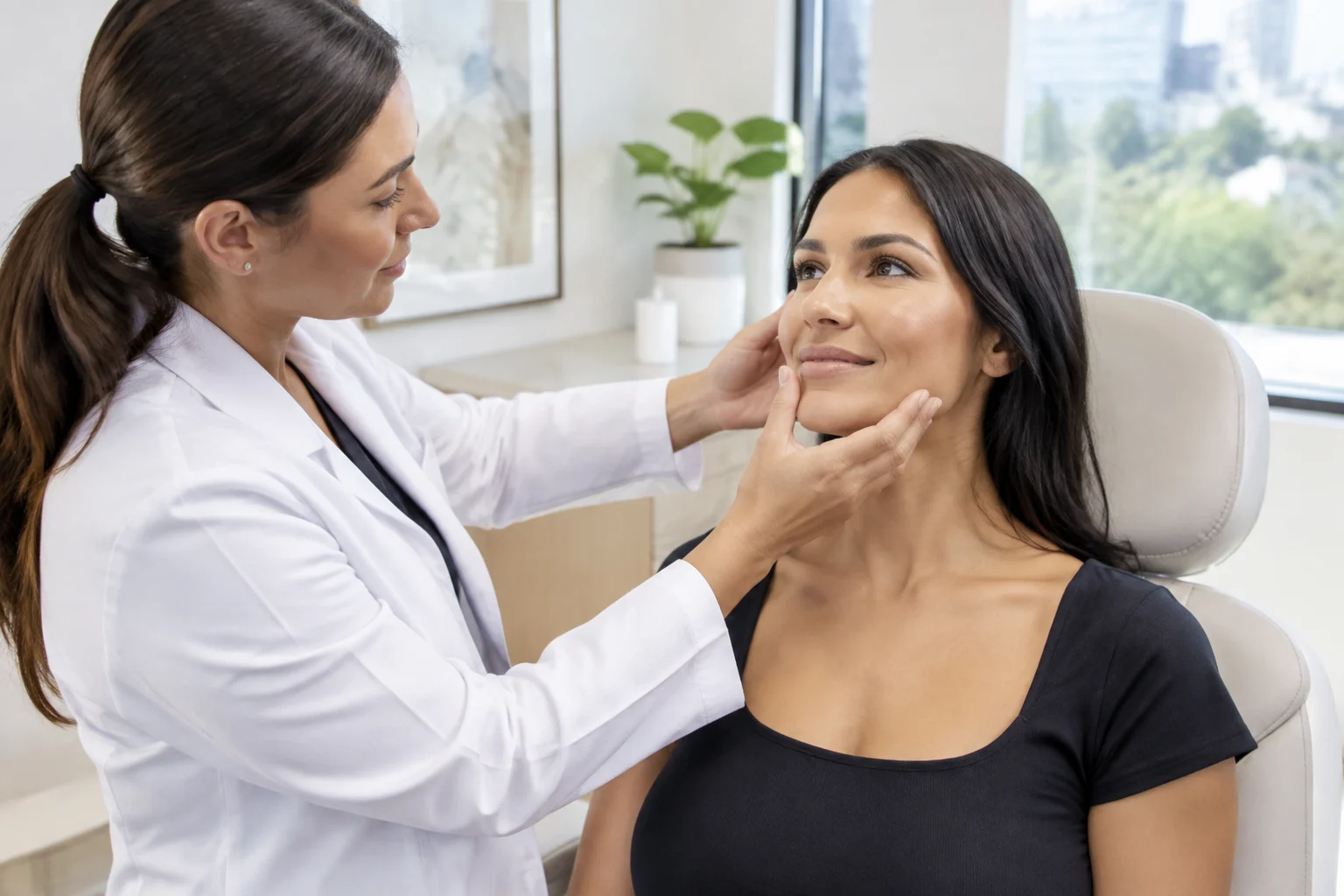
Finding plastic surgery care near Addison
Residents searching for a plastic surgeon in Addison can begin by identifying the kind of care they want to discuss. Some people are interested in cosmetic procedures, such as changes to facial or body appearance. Others need reconstructive care related to an injury, prior surgery, or a medical condition. Plastic surgeons may also offer nonsurgical treatments, though services and qualifications vary by practice. A qualified consultation helps determine whether a particular service fits your needs or whether another specialist should be involved.
There may be options in Addison as well as in neighboring parts of the Dallas–Fort Worth area. Comparing more than one practice can be useful, especially when a procedure is elective. Consider how far you are comfortable traveling for an initial appointment, the procedure itself, and any follow-up visits. Ask about scheduling, expected wait times, and whether an initial consultation can be held remotely; availability and suitability depend on the practice and your circumstances.
How to evaluate a plastic surgeon
Credentials and experience are important starting points. Confirm that a surgeon is licensed and appropriately trained for the procedure you are considering. You can verify professional information through relevant licensing and certification organizations rather than relying only on advertising. Ask how often the surgeon performs the specific procedure, what alternatives may be appropriate, and who will be involved in your care. A trustworthy professional should welcome questions and explain limitations as well as potential benefits.
It is also important to understand where surgery would take place. Ask whether the facility is appropriately accredited for the planned procedure and anesthesia, who provides anesthesia, and what emergency arrangements are in place. Discuss your medical history, medications, allergies, and any prior procedures honestly. The surgeon can explain whether additional evaluation or coordination with another clinician is advisable.
What to expect at a consultation
A consultation is an opportunity to describe your goals and learn whether a procedure is suitable—not a commitment to proceed. Bring a list of questions and relevant health information. The surgeon should discuss possible outcomes, risks, recovery, alternatives, and the possibility that results may differ from your expectations. If you feel pressured, do not understand the explanation, or need more time, you can pause and seek another opinion.
For a useful discussion, consider asking:
- What options could address my goals, and why do you recommend one over another?
- What are the common risks and possible complications for this procedure?
- What will recovery involve, including time away from work, driving, or normal activities?
- How will follow-up visits and questions after treatment be handled?
- What is included in the quoted fee, and which expenses could be separate?
Planning for cost and recovery
Costs depend on the procedure, facility, anesthesia, and individual treatment plan. Request a written estimate and ask about deposits, payment policies, and possible additional charges. Cosmetic procedures are often paid for directly by the patient, while coverage for reconstructive treatment depends on the medical circumstances and the terms of an insurance plan. Contact your insurer and the provider’s billing team to confirm coverage before scheduling; do not assume a service is covered.
Plan for recovery before choosing a date. Depending on the procedure, you may need time away from work, help at home, transportation, or limits on exercise and other activities. Ask the care team for instructions specific to your treatment and how to reach them if concerns arise. A convenient location can make follow-up visits easier, but safety, credentials, communication, and appropriate facilities should remain central to your decision.
Making an informed local choice
To compare plastic surgeons serving Addison, review reliable credentials, consult directly with the surgeon, and consider the overall care process—not just the advertised procedure or price. Confirm that the practice can explain its approach in plain language and provide clear information about preparation, recovery, and follow-up. Taking time to compare options can help you choose care that aligns with your needs and supports informed, realistic expectations.
Plastic Surgery Options for Addison Residents
Addison is part of the Dallas–Fort Worth area, giving residents the opportunity to consider care in town and in nearby communities. When comparing plastic surgeons, location is one practical factor: think about the time needed to reach consultations, the procedure facility, and follow-up appointments. If treatment involves recovery restrictions, ask in advance whether you will need someone to drive you or assist you at home. The practice can explain what support is appropriate for the procedure being considered.
Local convenience should be balanced with qualifications and quality of care. Addison residents can use consultations to compare a surgeon’s training, experience with a specific procedure, communication style, and plans for managing follow-up. Ask for details about the facility, anesthesia, total costs, and expected recovery before making a decision. People considering reconstructive treatment may also want to ask how the provider coordinates with other clinicians and how insurance questions are handled. Because options and services vary, confirm details directly with each practice rather than assuming a particular treatment or appointment type is available. Taking a careful, unhurried approach helps residents choose care based on their individual goals and health needs.
Frequently Asked Questions About Plastic Surgeon in Addison, Texas
How do I choose a plastic surgeon in Addison, Texas?
Start by identifying the procedure or concern you want to discuss, then look for a surgeon whose training and experience are relevant to that type of care. During a consultation, ask about expected results, risks, alternatives, recovery, and who will provide follow-up care. Review qualifications through reliable professional sources, and make sure you feel comfortable asking questions. A thoughtful consultation should help you understand your options without pressure to make a decision.
What should I expect at a first plastic surgery consultation?
A first consultation typically begins with your goals, health history, medications, and any prior procedures. The surgeon may examine the area of concern and explain suitable options, potential limitations, risks, and recovery needs. Bring a list of questions and be candid about your medical history and expectations. You can ask whether additional evaluation is needed and how decisions are made about treatment. The visit is a chance to gather information, not an obligation to proceed.
How can I tell whether I am a good candidate for cosmetic surgery?
Candidacy depends on the procedure, your overall health, healing risks, and what you hope to change. A surgeon can assess whether surgery is appropriate and discuss alternatives, including waiting or choosing a less invasive option. It is helpful to have a stable, realistic goal rather than expecting surgery to solve unrelated personal or medical concerns. Share smoking or nicotine use, medications, and health conditions during the evaluation, since these may affect planning and recovery.
What is the difference between cosmetic and reconstructive plastic surgery?
Cosmetic surgery is generally chosen to change appearance, while reconstructive surgery aims to restore form or function affected by injury, disease, a congenital condition, or a previous operation. The distinction can depend on the reason for treatment and the specific procedure. If you are unsure which category applies, describe your concern and medical history during a consultation. Ask what options are appropriate and whether your health plan may review coverage; coverage decisions depend on the plan and circumstances.
How long does recovery take after plastic surgery?
Recovery varies widely by procedure, the extent of surgery, and individual healing. Your surgeon should explain likely activity restrictions, wound care, discomfort management, and when you may resume work, exercise, driving, or travel. Plan for help at home if needed, and do not rely on a general timeline from someone else’s experience. Follow the instructions from your care team, attend recommended follow-up visits, and contact them if symptoms concern you.
What questions should I ask about safety before plastic surgery?
Ask where the procedure will take place, who will provide anesthesia, what risks apply to you, and how complications are handled. Clarify what preoperative assessments are needed, what instructions to follow about medications or nicotine, and whom to contact after surgery. Share all health conditions and supplements, even if they seem unrelated. The surgeon should explain the balance of benefits and risks in language you understand and give you time to consider your decision.
Will health insurance cover plastic surgery?
Coverage depends on the reason for treatment, the procedure, and the terms of your particular plan. A procedure pursued solely to change appearance may be treated differently from care intended to address a medical or functional issue, but coverage is not determined by the procedure name alone. Ask your insurer what documentation it requires and request an estimate of your responsibility before scheduling. A surgeon’s office may explain its billing process, but only your plan can confirm benefits.
How should I plan for plastic surgery if I live in or near Addison?
Before scheduling, ask the care team about the expected length of the visit, required transportation, and whether someone must stay with you afterward. For procedures involving anesthesia or restricted movement, you may not be able to drive yourself, so arrange a responsible ride and help at home as directed. Confirm where to go and whom to contact using information provided by the practice. Build recovery time into your work and family plans rather than assuming you can return immediately.