
Professional Plastic Surgeon Services Near Lewisville
Finding the right plastic surgeon near Lewisville, Texas, starts with understanding your goals and learning what care may involve. Plastic surgery includes elective cosmetic procedures as well as reconstructive treatments intended to address changes caused by injury, illness, or other circumstances. Options vary by individual, and a consultation is an opportunity to discuss your concerns, medical history, expected results, recovery, and potential risks. A qualified surgeon should explain which approaches may be appropriate, what alternatives are available, and what outcomes are realistic for you. When comparing practices serving Lewisville and nearby communities, review the surgeon’s training, board certification, experience with the procedure you are considering, and the setting where care is provided. Ask who will oversee anesthesia and follow-up, how recovery is supported, and what costs may be involved. Take time to consider your decision and seek another professional opinion if you have questions. Whether you are exploring a cosmetic change or reconstructive care, clear communication and a personalized evaluation can help you make an informed choice. This information is general and does not replace advice from a licensed medical professional; suitability and results depend on each person’s circumstances.
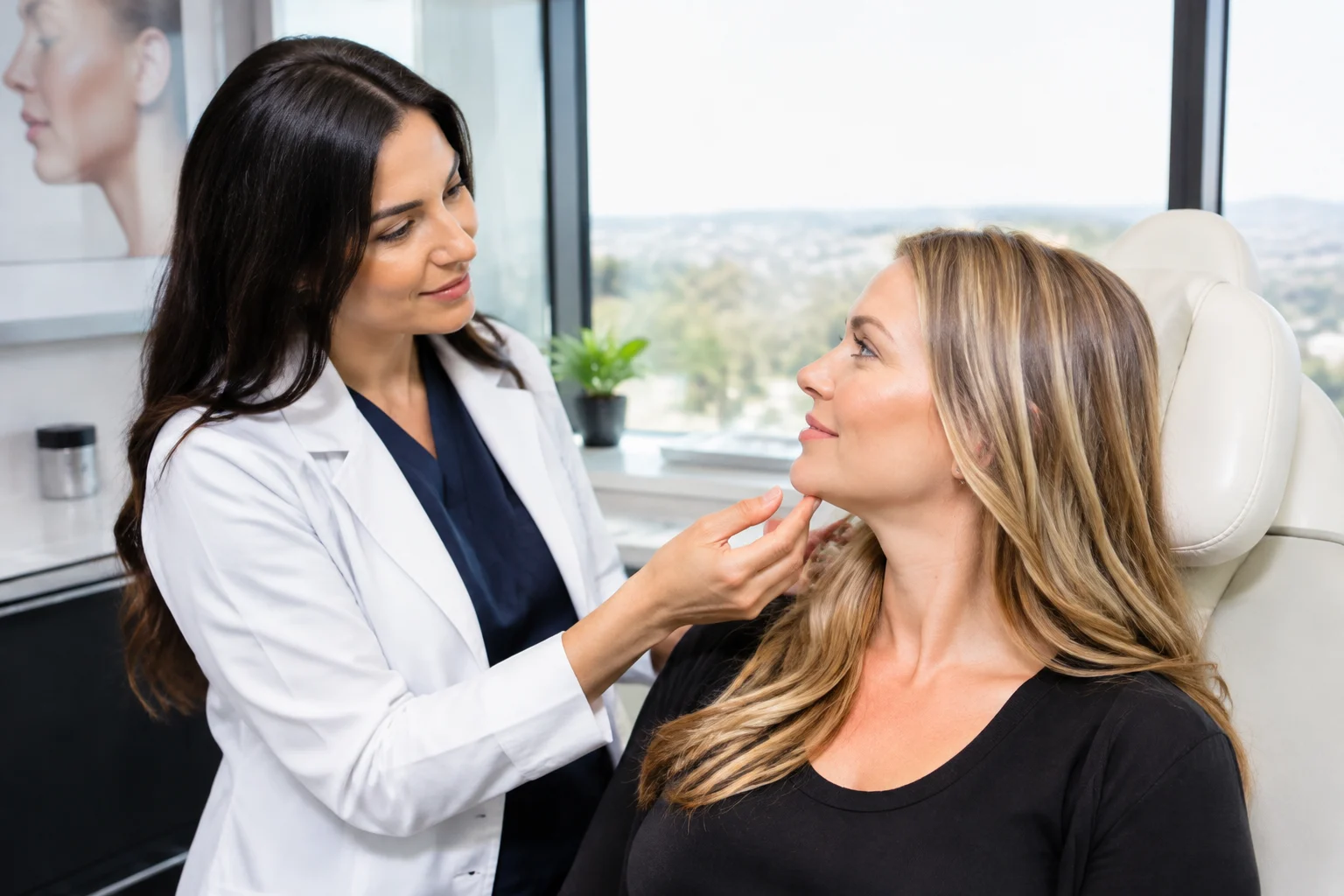
Finding plastic surgery care near Lewisville
Residents looking for a plastic surgeon in Lewisville, Texas, can begin by asking a primary care clinician or another trusted healthcare professional for guidance, or by researching surgeons who serve the wider North Texas area. Depending on the procedure and provider, appointments may take place in a medical office, hospital, or accredited surgical facility. Confirm where consultations, procedures, and follow-up visits occur before making plans, and ask how the practice supports patients who need assistance after surgery.
Plastic surgery includes both elective cosmetic procedures and reconstructive care. Cosmetic consultations may address goals such as changes to facial features or body contour, while reconstructive treatment can help restore form or function after an injury, illness, or prior surgery. Not every procedure is suitable for every person. A consultation gives the surgeon an opportunity to review medical history, discuss expectations, explain possible approaches, and determine whether additional evaluation or a different specialist is appropriate.
How to evaluate a plastic surgeon
Credentials and relevant experience are important when comparing options. Ask whether the surgeon is certified by the American Board of Plastic Surgery, and verify credentials through the appropriate official sources. Board certification is one useful consideration, but it does not guarantee a particular result. Also ask how often the surgeon performs the procedure you are considering, what facility would be used, and who will provide anesthesia and oversee recovery.
A thoughtful consultation should leave time for questions and a realistic conversation about benefits, limitations, risks, and alternatives. You may want to ask:
- What results are realistic for my health, anatomy, and goals?
- What are the most common risks and possible complications for this procedure?
- What will recovery involve, and when might I return to usual activities?
- What follow-up care is included, and whom should I contact with concerns?
- What are the total expected costs, including facility, anesthesia, and follow-up fees?
Be cautious of pressure to book quickly or promises of guaranteed results. Take time to review written information, understand consent forms, and seek another qualified opinion if you remain uncertain. Clear communication helps you make an informed decision, whether you are considering surgery or learning that a nonsurgical option or no treatment may be more suitable.
Planning for treatment and recovery
Before scheduling, discuss medications, allergies, existing health conditions, nicotine use, and any prior procedures with the care team. Follow the surgeon’s instructions about preparation, transportation, and support at home. Recovery varies by procedure and individual; arrange time away from work or caregiving responsibilities as advised, and do not resume driving, exercise, or other activities until your clinician says it is safe.
For Lewisville-area patients, practical planning can include confirming travel time to the consultation or surgical facility, arranging a responsible adult to accompany you when required, and knowing how to reach the practice after hours. Ask whether follow-up appointments can be coordinated around your schedule and where to go if a concern needs prompt attention. Patients should use emergency services for a medical emergency rather than wait for a routine appointment.
Understanding payment and coverage
Insurance coverage depends on the reason for treatment, the specific procedure, and the terms of an individual plan. Some reconstructive services may be considered differently from procedures performed primarily for cosmetic reasons, but coverage is not automatic. Contact your insurer and the provider’s billing team to ask about referrals, prior authorization, exclusions, deductibles, and any out-of-pocket costs. Request a written estimate and clarify what happens if care needs change. Careful comparison of qualifications, communication, safety practices, and costs can help Lewisville residents choose a plastic surgery provider with greater confidence.
Plastic Surgery Options for Lewisville Residents
Lewisville is part of the Dallas–Fort Worth region, giving residents a broader area to consider when looking for plastic surgery consultations and care. The right choice may depend on the procedure, a surgeon’s experience, facility arrangements, insurance requirements, and how easily you can manage visits and recovery. Rather than choosing solely by proximity, compare credentials and ask where each stage of care takes place, including consultation, surgery, and follow-up. Confirm travel plans and support needs before scheduling, especially if you will need someone to accompany you or help at home after a procedure.
Local needs can vary: one person may be exploring an elective cosmetic procedure, while another may need reconstructive care or guidance after a previous treatment. A qualified plastic surgeon can explain suitable options, expected outcomes, potential risks, and whether referral to another specialist is appropriate. Residents can make the most of a consultation by bringing relevant medical information, listing questions, and describing their goals in practical terms. Taking time to compare providers and understand costs and recovery expectations can make it easier to choose care that fits personal priorities and health needs.
Frequently Asked Questions About Plastic Surgeon in Lewisville, Texas
What kinds of procedures does a plastic surgeon perform?
Plastic surgery includes cosmetic procedures, such as changes to the nose, breasts, or body contour, and reconstructive procedures that address concerns after injury, illness, or previous surgery. Some surgeons also offer nonsurgical treatments, but services vary by practice. If you are looking for care in Lewisville, ask which procedures the surgeon personally performs and whether your concern is appropriate for surgery. A consultation can help clarify options, expected results, limitations, and alternatives.
How can I evaluate a plastic surgeon before scheduling a consultation?
Review the surgeon’s training, qualifications, and experience with the specific procedure you are considering. You can check credentials through relevant professional or certification organizations and ask how often the surgeon performs that procedure. Look for clear explanations of risks and realistic outcomes rather than promises. For a Lewisville-area search, compare practices based on your needs and comfort, and confirm where procedures are performed and who provides anesthesia.
What should I ask during a plastic surgery consultation?
Bring your goals, medical history, medication and supplement list, and any questions about recovery. Ask what procedure is recommended and why, what alternatives exist, what results are realistic, and what complications may occur. It is also reasonable to ask who will perform each part of the procedure, where it will take place, and what follow-up care involves. Take time to consider the answers; you do not need to decide during the appointment.
How much time should I plan for recovery after plastic surgery?
Recovery depends on the procedure, your health, and the physical demands of your daily routine. Ask the surgeon for a procedure-specific estimate of time away from work, limits on lifting or exercise, and when driving may be safe. Arrange help at home if you will need it, and follow the written instructions for wound care and follow-up. If you live or work in Lewisville, plan transportation and time off before choosing a surgery date.
Will health insurance cover plastic surgery?
Coverage generally depends on why the procedure is recommended and the terms of your plan. A procedure intended mainly to change appearance may not be covered, while some reconstructive care may qualify when medical criteria are met. Do not assume coverage based on the procedure name alone. Ask the surgeon’s office for documentation you may need, then contact your insurer directly to confirm benefits, prior authorization requirements, and any out-of-pocket costs.
What risks should I understand before having plastic surgery?
Every operation has risks, which can include bleeding, infection, scarring, reactions to anesthesia, delayed healing, or a result that differs from your expectations. The risks vary by procedure and by individual health factors. Ask the surgeon to explain the risks that apply to you, how complications are handled, and what symptoms require urgent attention after surgery. Share your full medical history and follow pre- and post-operative instructions to support safer care.
Can a plastic surgeon help with loose skin after significant weight loss?
A plastic surgeon can assess loose skin and discuss whether body-contouring surgery may be suitable. The evaluation may consider your overall health, weight stability, skin concerns, goals, and any plans for future weight changes. Surgery can remove excess skin but involves scars, recovery, and possible complications; it is not a substitute for weight management. Ask about staged procedures, realistic results, and how your medical history could affect healing.
What if I am unhappy with the results of a previous plastic surgery?
Start by arranging a review with the original surgeon, if appropriate, and explain what concerns you. Healing and swelling can take time, so the right point for judging a result depends on the procedure. If you want another opinion, bring operative records, implant details if relevant, and photographs from before and after surgery. A consultation can clarify whether observation, nonsurgical care, or revision surgery is reasonable, along with its risks and limitations.