
Schedule a Hair Transplant Consultation Near Cross Roads
Hair loss can affect confidence, personal style, and how comfortable you feel in everyday situations. For residents of Cross Roads considering a hair transplant, a consultation is a useful first step toward understanding whether surgery may suit your needs. A qualified hair restoration professional can review your pattern of hair loss, discuss your goals, and explain what treatment could realistically involve before you decide whether to proceed.
Because consultation and surgical services may not be available in every community, start by looking for qualified providers who serve patients from Cross Roads. Ask whether an initial appointment can take place in person or remotely, what information to prepare, and where any examination or procedure would occur. Clarifying these details early can help you compare options, plan travel if needed, and make an informed choice without pressure.
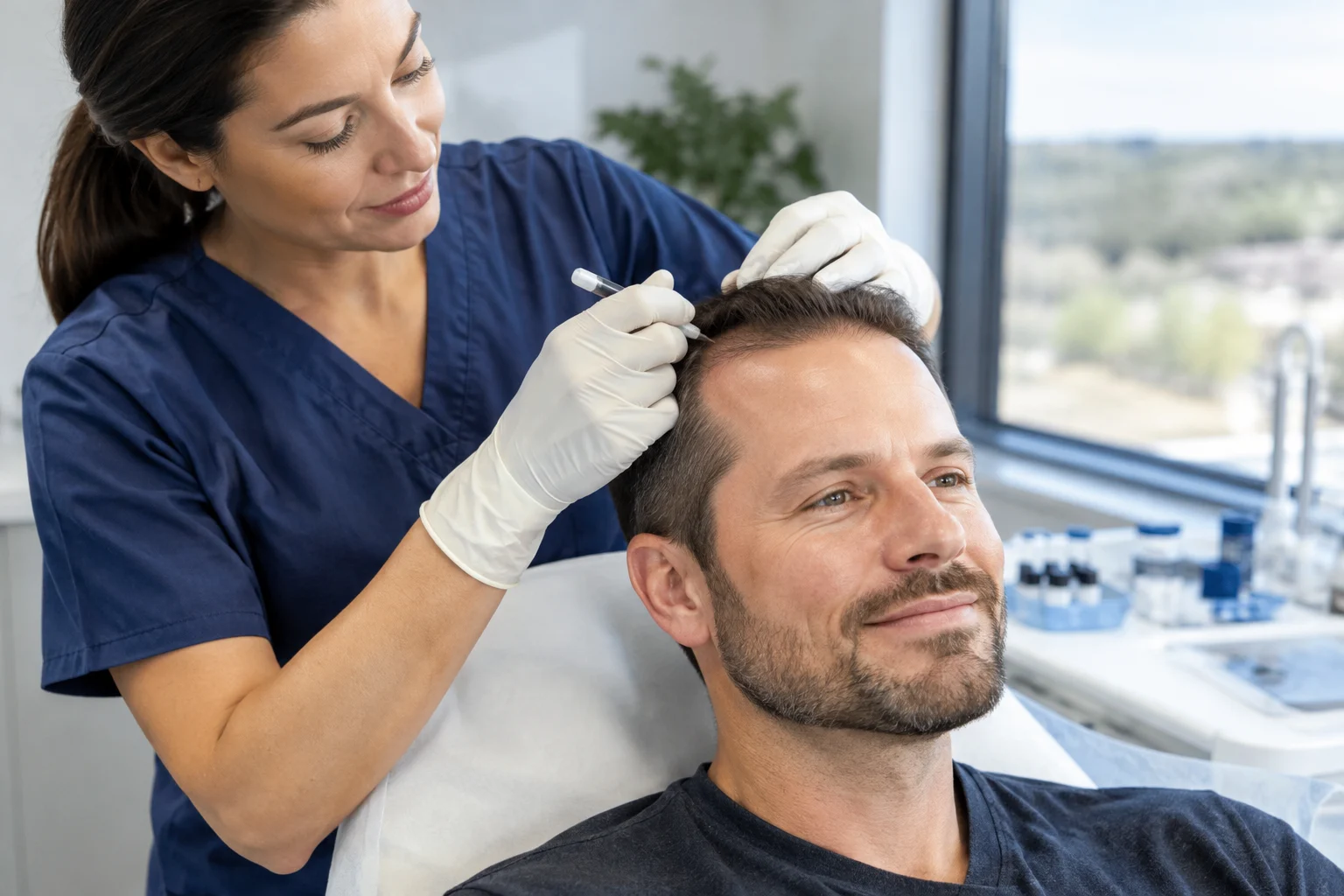
Begin with a personalized hair restoration consultation
A hair transplant is a medical procedure that moves hair follicles from a donor area, often at the back or sides of the scalp, to areas with thinning or hair loss. It is not the right option for everyone, and results depend on factors such as the cause and pattern of hair loss, donor hair availability, overall health, and personal goals. A consultation gives you time to discuss these factors with a qualified clinician before making a decision.
When searching for a hair transplant consultation near Cross Roads, look for a provider who evaluates patients individually and explains both the potential benefits and limitations of treatment. Ask who performs the procedure, what training and experience they have, and whether your consultation will include an assessment of your scalp and donor area. A trustworthy discussion should leave room for questions and should not promise a particular result.
What to expect during an evaluation
Your appointment may include a discussion of when your hair loss began, how it has changed, your family history, relevant medical conditions, medications, and previous treatments. The clinician may examine your scalp and review the quality and distribution of donor hair. This helps determine whether a transplant is appropriate now or whether another approach may better match your circumstances.
Use the visit to describe the look you hope to achieve, while remaining open to clinical guidance. A responsible provider can explain that transplanted hair may grow gradually and that the final appearance varies from person to person. They can also discuss healing, aftercare, possible side effects, and the possibility that hair loss in untreated areas may continue. If surgery is not recommended, ask about other options and whether follow-up with a medical professional is appropriate.
Plan how to access care from Cross Roads
Before booking, confirm where the consultation and any procedure take place. Some practices may offer an initial remote conversation, while a physical examination may still be needed to assess candidacy. Ask what can be covered remotely, what requires an in-person visit, and whether follow-up appointments are part of the care plan. Do not assume that a provider offering online information can perform or supervise treatment where you live.
If an appointment requires travel outside Cross Roads, request the location and timing directly from the provider and consider how you would manage transportation, recovery, and follow-up. You can also ask whether a companion is recommended on procedure day and what restrictions may apply afterward. Getting these practical details in advance makes it easier to compare options based on the full care experience, not just the initial consultation.
Questions to ask before choosing a provider
- How will you assess whether I am a suitable candidate for a hair transplant?
- Who will plan and perform each part of the procedure, and what are their qualifications?
- Which technique, if any, might be appropriate for my situation, and why?
- What outcomes are realistic for my donor hair and pattern of hair loss?
- What are the risks, recovery expectations, and follow-up requirements?
- What is included in the quoted cost, and could additional care create other expenses?
Ask for clear, written information about the proposed treatment and costs. Take time to review it, and consider seeking another qualified opinion if you feel rushed or if important questions remain unanswered. A consultation is an opportunity to gather information; you are not obligated to schedule surgery.
Make a considered decision
Hair transplantation can offer a lasting change for some people, but it involves medical assessment, planning, and recovery. The value of a local search is finding a care pathway that is practical for your schedule while still prioritizing appropriate qualifications and attentive follow-up. For Cross Roads residents, confirming appointment format, procedure location, and ongoing care can make the process easier to plan.
Choose a provider who communicates honestly about uncertainty and individual results. Discuss your medical history openly, follow professional instructions, and make sure you understand the alternatives before moving forward. With a careful consultation, you can decide whether a hair transplant aligns with your needs and expectations.
Hair Restoration Options for Cross Roads Residents
Cross Roads residents considering hair restoration can begin by identifying qualified providers who welcome patients from the area and confirming where consultations and procedures take place. Depending on the provider, an initial discussion may be available remotely, but assessing scalp condition and donor hair may require an in-person examination. Asking about these requirements before booking helps you plan time and travel without relying on assumptions about local availability.
A hair transplant is a personal decision, and convenience should be balanced with clinical experience, careful screening, clear communication, and reliable follow-up. Compare providers based on who evaluates and performs treatment, how they explain realistic outcomes, and whether they discuss risks and alternatives. For people balancing work, family, and travel from Cross Roads, advance planning can help make appointments and recovery arrangements more manageable. A thorough consultation can provide the information needed to decide whether transplantation is suitable or whether another hair-loss approach is worth considering.
Frequently Asked Questions About Hair Transplant in Cross Roads, Texas
How do I know if I’m a good candidate for a hair transplant in Cross Roads?
Candidacy depends on the cause and pattern of hair loss, the amount and quality of donor hair, your health, and your expectations. A clinician should review your medical history and examine the scalp before recommending surgery. Some people may benefit more from treating an underlying condition or stabilizing ongoing hair loss first. During a consultation, ask how a proposed plan would address both current thinning and the possibility of future loss.
What is the difference between FUE and FUT hair transplantation?
Both techniques move hair follicles from a donor area, usually the back or sides of the scalp, to areas with thinning. With FUE, follicles are removed individually, leaving many small marks; with FUT, a strip of scalp is removed and divided into grafts, leaving a linear scar. Each approach has trade-offs involving scarring, recovery, donor capacity, and the treatment plan. A qualified clinician can explain which method, if either, fits your needs.
How much does a hair transplant cost near Cross Roads?
The cost varies with the number of grafts, the technique, the clinician and facility, and what care is included. There is no reliable single price without an assessment, and a lower quote should not be the only basis for choosing a provider. Ask for a written estimate that explains what is included, whether follow-up visits or medication are separate, and what could change the total. Compare the proposed plan and credentials as well as the cost.
What should I expect during hair transplant recovery?
Expect a period of scalp tenderness, swelling, redness, or small crusts, with details depending on the procedure and your healing. Your care team should provide instructions for washing, sleeping, activity, and protecting the grafts. Follow these directions rather than relying on general online timelines, and contact the provider if symptoms are worsening or concerning. Before scheduling, discuss work, exercise, and other commitments so you can plan recovery without assuming a specific return-to-routine date.
When will I see results after a hair transplant?
A transplant does not produce immediate visible growth. The transplanted hairs commonly shed in the early weeks, while follicles remain beneath the skin; new growth then develops gradually over subsequent months. The pace and final appearance vary by person, graft placement, and ongoing hair loss. Your clinician can explain what milestones to expect for your plan and when progress should be reviewed. Be cautious of promises of a particular density or a guaranteed result.
Will I need to travel for consultations or follow-up care from Cross Roads?
Before choosing a provider, confirm where the consultation, procedure, and follow-up appointments take place, since services and arrangements differ by practice. Ask how many in-person visits are expected, who to contact with questions after surgery, and what to do if you have a concern once you are home. If travel is involved, plan transportation and recovery time with your clinician’s guidance. Do not assume an online consultation replaces any examination or follow-up they consider necessary.
What risks should I discuss before getting a hair transplant?
Possible risks include bleeding, infection, scarring, temporary numbness or discomfort, poor growth, an unnatural-looking hairline, and uneven results. The likelihood and significance depend on your health, the technique, and the skill of the surgical team. Ask who performs each part of the procedure, how complications are handled, and what limitations apply to your donor hair. Share medications, health conditions, and prior scalp treatments honestly so the clinician can assess your individual risks.
Should I try medication or another hair-loss treatment before surgery?
It may be appropriate to evaluate nonsurgical options before deciding on surgery, especially when hair loss is still progressing or its cause is uncertain. Treatments such as prescribed medication may help some people, but suitability, benefits, and side effects should be discussed with a clinician. A transplant redistributes existing follicles and does not prevent untreated hair from continuing to thin. Ask how a long-term plan would combine, or distinguish between, surgery and other treatments.