
What to Expect From Plastic Surgeon Near Lowry Crossing
Considering a cosmetic or reconstructive procedure is a personal decision, and getting clear information is an important first step. For Lowry Crossing residents, finding a plastic surgeon may involve looking beyond the immediate community and comparing practices in nearby cities or elsewhere in the North Texas region. Availability, services, and travel time vary, so contact offices directly to confirm that they offer the care you need and are accepting consultations.
A plastic surgeon can discuss goals, review medical history, explain possible approaches, and outline risks, recovery, and costs. The first visit is a chance to ask questions—not an obligation to proceed. Whether you are exploring a procedure for appearance, comfort, or reconstruction, look for a qualified surgeon who communicates clearly and makes room for informed decision-making. Planning ahead for appointments and recovery can also help you decide whether a particular option fits your health, schedule, and support needs.
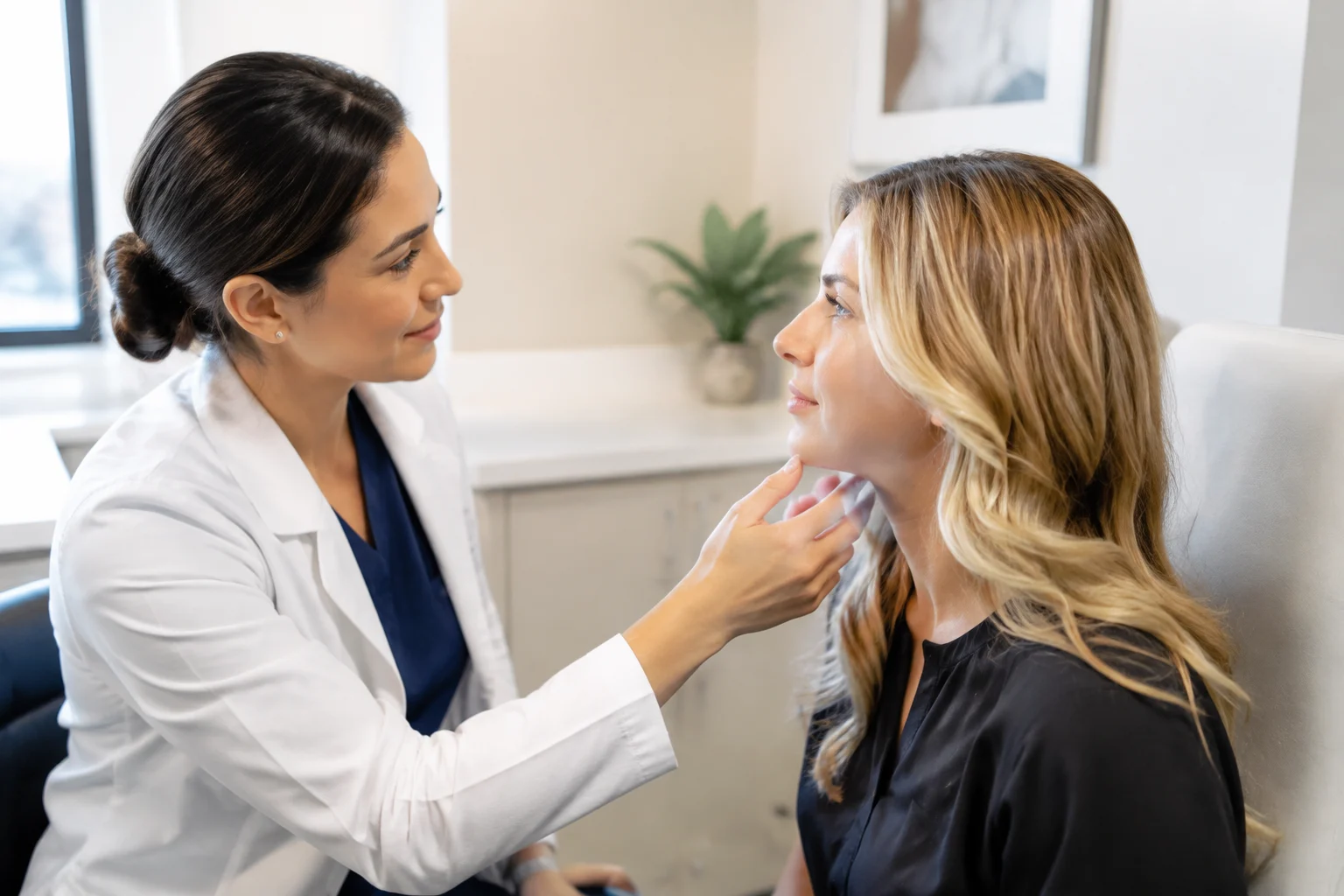
Finding plastic surgery care near Lowry Crossing
Lowry Crossing is a small community, so residents may need to search in nearby cities or across the wider North Texas area to find a plastic surgeon whose services match their needs. Begin with the type of care you are seeking. Plastic surgery includes both cosmetic procedures and reconstructive care, and not every practice provides every service. Ask whether the surgeon regularly performs the procedure or treats the concern you want to discuss.
When reviewing options, check the surgeon’s qualifications through reliable professional sources. You can verify whether a physician is certified by the American Board of Plastic Surgery and confirm that the proposed procedure will take place in an appropriately accredited facility. Ask who will provide anesthesia and what credentials that professional holds. These checks help you understand the care setting; they do not replace a personal consultation or guarantee a particular result.
What happens at a consultation
A consultation typically includes a conversation about your goals, health history, medications, and any previous procedures. The surgeon may assess the area of concern and explain which options may be appropriate, including alternatives to surgery when relevant. You should have time to discuss expected benefits, limitations, possible complications, recovery, and whether your personal health circumstances affect the plan.
Use the visit to assess how well the surgeon listens and answers questions. A thoughtful consultation should support a voluntary, informed choice rather than pressure you to book. Bring a list of questions and, if useful, a trusted support person. Ask how follow-up care works, whom to contact with concerns, and what assistance you may need at home after a procedure.
Practical questions to ask before choosing
- Does the surgeon have training and experience relevant to the procedure I am considering?
- Where will the procedure take place, and what facility credentials can I verify?
- What results are realistic for my circumstances, and what risks or limitations should I understand?
- What is included in the estimate, and could additional charges apply?
- How long might recovery take, and when can I return to driving, work, or routine activities?
- How are after-hours questions and follow-up appointments handled?
Written information about fees, preparation, recovery, and follow-up can make it easier to compare practices. Ask whether an estimate includes the surgeon, facility, anesthesia, and any planned follow-up. Cosmetic procedures are often not covered by health insurance, while coverage for reconstructive care depends on the circumstances and the terms of a specific plan. Contact your insurer directly to ask about benefits, referrals, and authorization rather than assuming a service will be covered.
Plan for travel and recovery
Because appointments may be outside Lowry Crossing, consider the full trip when comparing options. Confirm the office location, appointment timing, parking or transit arrangements, and how often you may need to return. After some procedures, patients may be advised not to drive and may need an adult to take them home or stay with them. Follow the surgeon’s instructions for your specific care, and arrange help in advance if recommended.
Take time to compare more than one qualified option if you are uncertain. A second opinion can help clarify choices, and postponing a decision is reasonable if you need more information. The right next step is a conversation with a qualified professional who can evaluate your situation, explain options and risks, and help you decide whether care fits your needs.
Plastic surgery options for Lowry Crossing residents
Lowry Crossing residents seeking plastic surgery may find that the most suitable practice is in a nearby community or another part of the North Texas region. The town’s quieter, residential setting can make advance planning especially useful when appointments or follow-up visits require travel. Search by procedure or treatment type, then contact practices to confirm that the surgeon provides that service, accepts new patients, and can accommodate your consultation needs. Do not rely on a listing alone for current details; ask the office about location, scheduling, and what to bring.
The service may fit a range of needs, from discussing elective cosmetic goals to exploring reconstruction after an injury, illness, or prior treatment. A local search gives residents a way to compare expertise, communication style, facility arrangements, and practical factors such as appointment availability and travel. Consider how you will get to visits and whether someone can assist during recovery if advised. The best choice is not necessarily the closest office: it is a qualified surgeon and care team whose recommendations, safety practices, and follow-up plan are clear and appropriate for your circumstances.
Frequently Asked Questions About Plastic Surgeon in Lowry Crossing, Texas
What procedures can a plastic surgeon discuss with me?
Plastic surgeons may evaluate cosmetic goals and reconstructive needs, but the procedures available depend on the individual clinician’s training and practice. Common areas of discussion include facial procedures, breast surgery, body contouring, and reconstruction after injury or another medical condition. If you are seeking care in Lowry Crossing, ask which treatments the surgeon personally performs and whether your concern is within their scope. A consultation can clarify suitable options and alternatives.
How can I choose a plastic surgeon serving patients near Lowry Crossing?
Start by confirming the surgeon’s qualifications through reliable professional sources, and ask about experience with the specific procedure you are considering. You can also ask where surgery would take place, who provides anesthesia, how follow-up care is arranged, and how complications are handled. Review before-and-after examples only as a way to discuss expectations, not as a promise of your result. Choose a clinician who answers questions clearly and gives you time to decide.
How will a plastic surgeon decide whether I am a good candidate?
Candidacy is based on your health, medical and surgical history, medications, goals, and the risks of the proposed treatment. The surgeon may examine the relevant area and ask about nicotine use or other factors that can affect healing. Be candid about your health and expectations. A responsible evaluation may lead to a recommendation for a different approach, more preparation, or no surgery. Only an individual consultation can determine what is appropriate for you.
What should I expect during a plastic surgery consultation?
A consultation typically includes a discussion of what you hope to change, your health history, possible procedures, and expected benefits and limitations. The surgeon may examine the area and explain risks, recovery, and alternatives, including choosing no treatment. Bring a list of medications and questions, and mention previous procedures or relevant health conditions. Before committing, make sure you understand the proposed plan, follow-up arrangements, and who to contact if concerns arise.
How much recovery time should I plan for after plastic surgery?
Recovery varies considerably with the procedure, your health, and the kind of work or caregiving you do. Ask the surgeon for a procedure-specific estimate for time away from work, activity restrictions, transportation, and follow-up visits. Arrange support at home if you may need help during early recovery, and do not resume strenuous activity until your care team says it is appropriate. Healing can take longer than expected, so avoid planning around a guaranteed return date.
Does insurance cover plastic surgery, and how can I understand the cost?
Coverage depends on the reason for treatment, the specific procedure, your insurance plan, and its approval requirements. Cosmetic surgery is often treated differently from surgery intended to address a medical or reconstructive need, so do not assume coverage either way. Ask the surgeon’s office for an itemized estimate and check directly with your insurer about benefits, referrals, and prior authorization. Clarify what the estimate includes, such as facility, anesthesia, follow-up, and possible additional care.
What is the difference between cosmetic and reconstructive plastic surgery?
Cosmetic surgery generally aims to change appearance according to a person’s preferences, while reconstructive surgery is intended to restore form or function affected by a condition, injury, or prior treatment. The distinction can matter when discussing goals, medical recommendations, and insurance coverage, but coverage decisions are made under the terms of your plan. If you are unsure how your concern is classified, ask the surgeon to explain the purpose of the proposed procedure and confirm coverage with your insurer.
What risks should I discuss before having plastic surgery?
Every operation has potential risks, which vary by procedure and by individual health factors. Ask the surgeon to explain the risks most relevant to you, how complications would be recognized and managed, and what alternatives exist. Discuss anesthesia, scarring, infection, bleeding, healing concerns, and the possibility that results may differ from your expectations when relevant. Make sure you understand the consent information and have a clear plan for follow-up and urgent concerns before deciding.