
What to Expect From Plastic Surgeon Near Weston
Considering plastic surgery begins with learning what a qualified surgeon can—and cannot—offer. For Weston residents, the first step is usually to identify practices within a practical driving distance, review the surgeon’s qualifications, and arrange a consultation. Depending on the procedure, care may involve an initial visit, preoperative planning, surgery at an appropriate facility, and follow-up appointments. Ask how often you will need to return and what arrangements are available if you have questions after going home.
Plastic surgery may include cosmetic procedures as well as reconstructive care after injury, illness, or another medical need. A consultation should be a two-way conversation about your goals, health history, options, possible risks, costs, and recovery. No result can be guaranteed, and surgery is not the right choice for everyone. Taking time to compare providers and understand the full care plan can help you make an informed decision that fits your health needs and daily life in the Weston area.
Starting your search near Weston
Weston residents looking for a plastic surgeon can begin by searching for qualified practices in Weston and surrounding North Texas communities. Because a particular service may not be available close to home, consider the full trip involved—not only the first consultation, but also preoperative appointments and postoperative checks. Ask the practice how many visits are typically needed for the procedure you are considering and whether follow-up can sometimes be handled remotely when clinically appropriate. Do not assume virtual care can replace an examination or in-person visit when one is needed.
Use professional directories and practice websites as starting points, then confirm important details directly. In the United States, plastic surgeons may be certified by the American Board of Plastic Surgery. Verify a surgeon’s credentials through the certifying organization, check that the physician holds an active Texas medical license, and ask about experience with the specific procedure. A careful search helps you compare qualifications rather than relying on advertising or before-and-after photos alone.
What happens during a consultation?
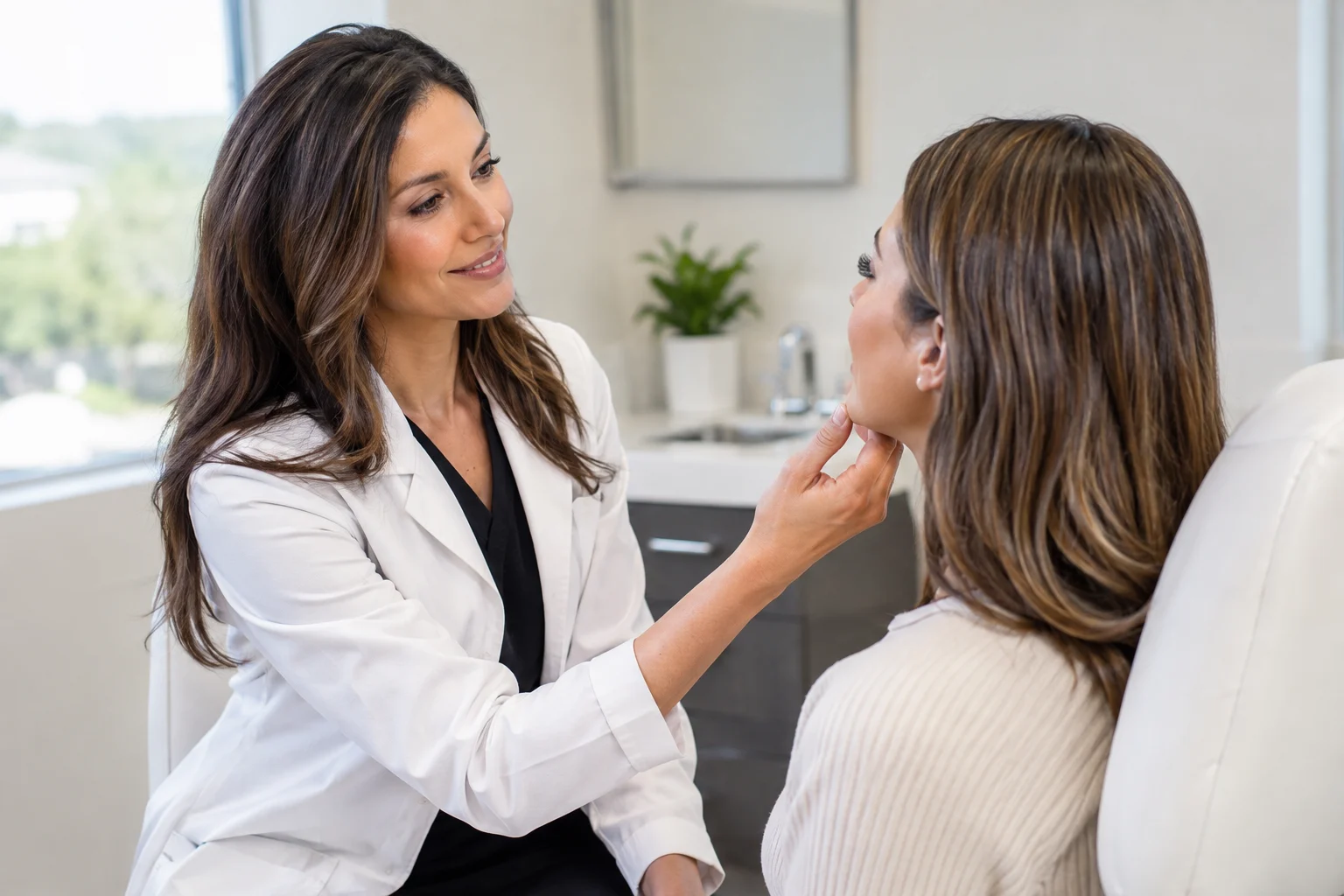
The consultation is an opportunity to explain what you hope to address and learn whether surgery is suitable. The surgeon or clinical team may ask about your medical history, medications, allergies, previous procedures, tobacco or nicotine use, and health conditions that could affect treatment or healing. Be candid; complete information supports safer planning. You can also bring questions and, if helpful, a trusted person to listen with you.
Your surgeon should discuss reasonable options, expected benefits, limitations, and alternatives, including choosing no procedure. You should receive a clear explanation of likely recovery, possible complications, anesthesia, and the location where surgery would take place. Ask who will provide anesthesia and what emergency arrangements are available. Photos or computer simulations, if used, are planning aids—not promises of a particular result.
Questions to ask before deciding
- Are you board-certified in plastic surgery, and how much experience do you have with this procedure?
- What outcomes are realistic for my health, anatomy, and goals?
- What are the important risks, and how might complications be managed?
- Where will the procedure be performed, and is the facility appropriately accredited or licensed?
- What does the quoted fee include, and could there be separate charges for anesthesia, facility services, tests, or follow-up?
- How many visits should I plan for, and whom can I contact after hours if a concern arises?
Take time to review consent forms and written cost information. A responsible practice should give you room to consider your decision without pressure. Be cautious of promises of perfect or guaranteed results, unclear pricing, or recommendations that discourage questions or a second opinion.
Planning for surgery and recovery
If you decide to proceed, follow the surgeon’s instructions about health assessments, medications, eating and drinking, and any changes needed before surgery. Do not stop prescribed medication unless your clinician tells you to. Arrange a responsible adult to accompany you when required, transportation home, and help during the early recovery period. For Weston-area residents, this planning may also mean accounting for drive time and ensuring that follow-up care is manageable.
Recovery varies by procedure and by person. Ask what discomfort, swelling, activity limits, and time away from work or usual responsibilities may be expected. Get instructions in writing, including how to care for the surgical area and which symptoms require prompt attention. Contact the care team or seek urgent help for symptoms identified in your instructions as emergencies. Keep scheduled follow-up visits even when recovery seems to be going well.
Choosing care that fits your needs
The right plastic surgeon is a qualified professional who listens, explains choices plainly, and helps you weigh benefits against risks. Compare more than convenience: consider credentials, communication, facility standards, follow-up access, and the complete cost of care. If you are uncertain, it is reasonable to pause or seek another qualified opinion. A thoughtful process can help Weston residents approach cosmetic or reconstructive treatment with realistic expectations and a clear plan.
Plastic Surgery Care for Weston Residents
Weston is a North Texas community in Collin County, and residents may need to look beyond town limits when seeking a particular surgical specialty. When comparing plastic surgeons, consider practices in the wider area that you can reach for consultation and follow-up. The most convenient option is not automatically the best fit; qualifications, experience with your procedure, clear communication, and safe surgical arrangements matter as much as travel time.
Before scheduling, contact a practice to confirm that it offers the service you need, accepts your insurance if relevant, and can explain its fees and visit schedule. Cosmetic procedures are often paid for directly, while coverage for reconstructive care depends on the medical circumstances and the terms of a health plan. Ask the insurer and provider what documentation or prior authorization may be required rather than assuming a procedure is covered.
For people balancing work, family responsibilities, or travel from Weston, planning recovery logistics is an important part of choosing care. Find out how often in-person appointments are expected, whether someone must accompany you, and how the team handles concerns between visits. A good local-access plan includes a qualified surgeon, an appropriate facility, realistic expectations, and dependable follow-up—not simply a nearby appointment. These steps can help residents make a considered choice for cosmetic goals or reconstructive needs.
Frequently Asked Questions About Plastic Surgeon in Weston, Texas
What kinds of concerns can a plastic surgeon address?
Plastic surgeons may provide cosmetic procedures intended to change appearance, reconstructive care after injury or illness, and treatment for certain concerns involving skin or body tissues. The services available vary by surgeon and practice. If you are in Weston, start by describing the change or problem you hope to address and ask whether it falls within the surgeon’s expertise. A consultation can clarify possible options, limitations, and whether another type of specialist may be more appropriate.
How should I prepare for a plastic surgery consultation?
Write down your goals, relevant medical history, current medications and supplements, allergies, and any prior procedures. Bring questions about the recommended approach, alternatives, recovery, risks, and follow-up care. If a particular feature is your concern, explain what you hope to change rather than assuming a specific procedure is right for you. For a consultation in or near Weston, also ask what records or test results the practice needs beforehand and whether you should make any changes before the visit.
How can I tell whether I am a good candidate for plastic surgery?
Candidacy depends on the procedure, your health, medical history, goals, and ability to follow recovery instructions; there is no single checklist that fits everyone. A surgeon should review these factors and explain whether surgery is suitable, what it may realistically change, and what it cannot address. Be candid about medications, nicotine use, and health conditions. If surgery is not advisable now, ask whether another option or a later reassessment could be appropriate.
What should I expect during recovery after plastic surgery?
Recovery varies substantially with the procedure, your health, and the details of your treatment. Before deciding, ask the surgeon about expected discomfort, activity limits, wound care, time away from work or caregiving, and when follow-up visits are needed. Arrange help with transportation and daily tasks if your care team recommends it. Patients in Weston should plan around the specific instructions they receive, rather than relying on another person’s recovery timeline or general estimates.
How do I get a clear estimate for plastic surgery costs?
Ask for a written, itemized estimate after the surgeon has assessed your needs and proposed a treatment plan. Clarify what the estimate includes, such as professional fees, facility or anesthesia charges, follow-up care, and any likely additional expenses. Costs depend on the procedure and individual circumstances, so a figure from another patient may not apply. Before scheduling, ask how payment is handled and what the practice’s policies are if your plan or timing changes.
Will health insurance cover plastic surgery?
Coverage depends on the reason for treatment, the specific procedure, your insurance plan, and its approval requirements. Cosmetic procedures are often treated differently from care that may be considered medically necessary, but coverage cannot be determined from the procedure name alone. Ask the surgeon’s office for the appropriate procedure information and contact your insurer directly to confirm benefits, documentation, referral, or prior-authorization requirements. Get the insurer’s response in writing when possible before making financial or scheduling decisions.
What should I check when choosing a plastic surgeon?
Ask about the surgeon’s training, experience with the procedure you are considering, and where the operation would take place. Confirm credentials through reliable professional or state resources rather than relying only on advertising, and ask who will provide anesthesia and follow-up care. You should receive understandable answers about alternatives, risks, and expected results, without pressure to decide immediately. Comparing consultations can help Weston-area patients assess communication and make a decision that fits their needs.
What risks should I discuss before having plastic surgery?
Every operation has risks, and the relevant ones depend on the procedure and your personal health. Ask the surgeon which complications are most important in your case, how they would be recognized and managed, and what symptoms require urgent attention. Discuss the possibility of an unsatisfactory result or additional treatment, as well as the expected benefits and alternatives. Before surgery, make sure you know whom to contact after hours and how routine follow-up will be arranged.