
What to Know About Plastic Surgeon in Lavon
Choosing a plastic surgeon is a personal decision that calls for thoughtful research, clear communication, and realistic expectations. If you are exploring plastic surgery in Lavon, Texas, begin by considering your goals and learning about the training, board certification, experience, and practice setting of any surgeon you may consult. Plastic surgery can include cosmetic procedures intended to change appearance as well as reconstructive care; the options, risks, recovery, and likely results depend on the individual and the procedure being considered.
A consultation is an opportunity to discuss your medical history, ask what outcomes may be achievable, and understand the full process, including preparation, follow-up, costs, and possible complications. Ask who will provide your care and where procedures are performed, and take time to review answers before making a decision. A qualified surgeon should explain alternatives and help you decide whether a procedure is appropriate for your needs, without promising a particular result.
This guide is intended to help Lavon residents understand what to look for when researching plastic surgery and preparing questions for a consultation. Use it as a starting point, and seek individualized advice from a licensed medical professional.
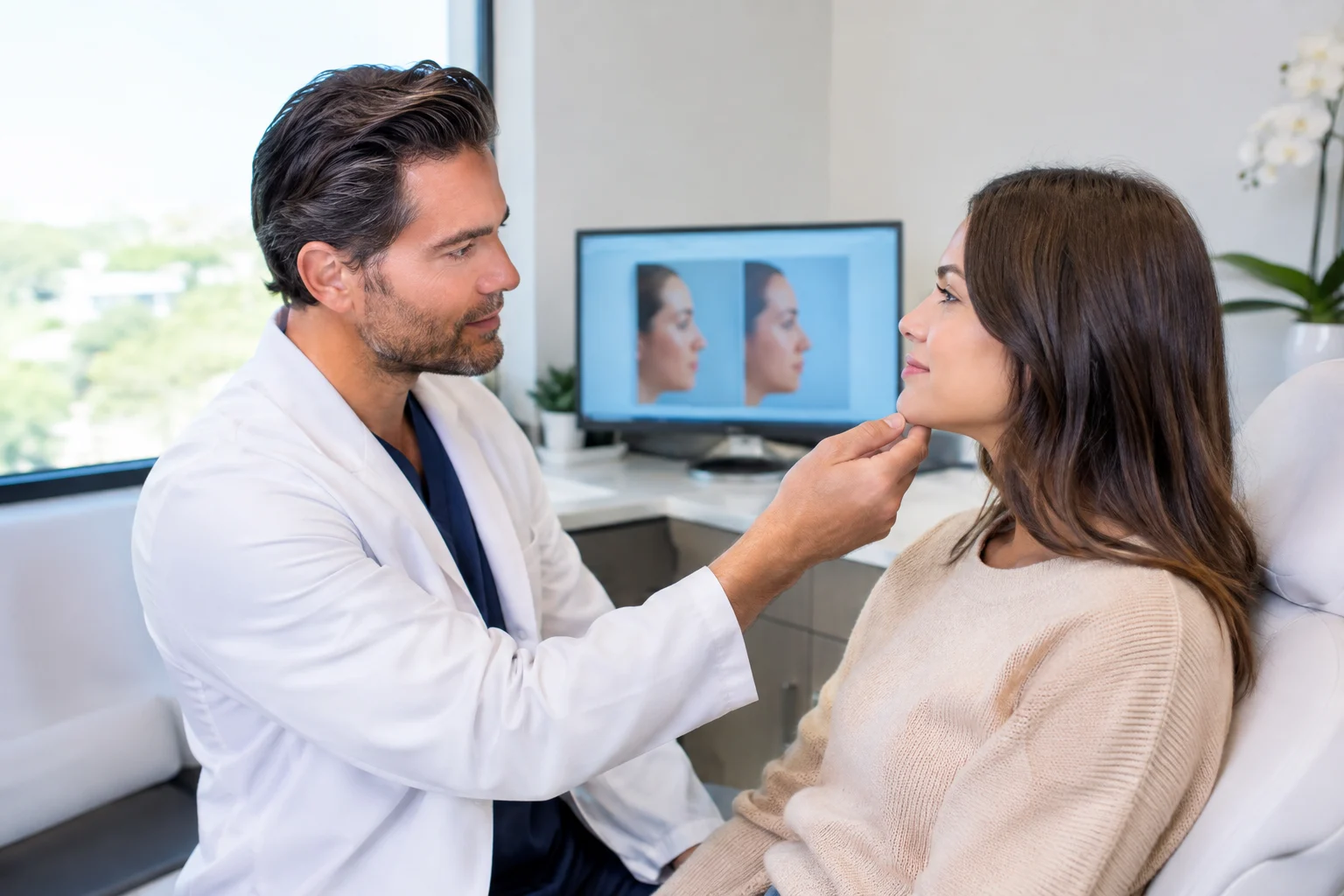
Finding plastic surgery care near Lavon
Plastic surgery includes procedures intended to change appearance as well as reconstructive care that may address the effects of injury, illness, congenital conditions, or prior surgery. The right starting point depends on your needs. Some people are researching a specific cosmetic procedure; others may be referred for reconstruction or wish to discuss options after a change in health. A consultation with a qualified surgeon can help clarify whether a procedure is appropriate and what alternatives may be available.
Lavon residents can search for plastic surgeons practicing in the area and in nearby communities. Do not assume that a provider offering consultations locally also performs surgery at the same location. Ask where consultations, procedures, and follow-up care take place, and consider how often you may need to travel. This is especially important when planning time away from work, arranging a ride after anesthesia, or coordinating help at home during recovery.
How to evaluate a surgeon
Credentials and experience are important parts of choosing a provider. Confirm that the surgeon is licensed and ask about board certification relevant to plastic surgery. In the United States, patients can verify certification through the American Board of Plastic Surgery. Ask how often the surgeon performs the procedure you are considering, what results are realistic for your circumstances, and what risks or limitations apply. A qualified clinician should welcome questions and explain information in terms you understand.
Also learn about the location where any operation will be performed. Ask whether the facility is appropriately accredited or licensed for the planned procedure, who will provide anesthesia, and how urgent concerns are handled after surgery. These details help you compare providers based on safety and continuity of care, not just convenience or promotional claims.
Preparing for a consultation
Before an appointment, write down what you hope to change or address and what matters most to you in a result. Bring a list of medications, supplements, allergies, relevant health conditions, and prior procedures. Share your medical history honestly, including nicotine use, because these factors can affect treatment choices and healing. If the surgeon requests records or imaging, ask how to provide them securely.
Use the consultation to understand the full plan, including preparation, recovery, possible complications, and the likelihood of needing additional treatment. You may want to ask:
- What approaches could address my goals, and what are the alternatives to surgery?
- What benefits, risks, scars, and recovery demands should I expect?
- How many follow-up visits are typical, and where will they take place?
- What should I do if I have a concern outside office hours?
- What is included in the quoted cost, and what might be billed separately?
Take time to review written information and seek another opinion if you are uncertain. Be cautious of pressure to book quickly, promises of guaranteed results, or quotes that do not explain what is included. A sound decision should be based on your health, informed preferences, and a clear understanding of the proposed care.
Costs, coverage, and recovery planning
Cosmetic procedures are commonly paid for out of pocket, while some reconstructive services may qualify for insurance coverage depending on the medical circumstances and plan terms. Coverage is not automatic. Contact your insurer to ask about eligibility, prior authorization, network rules, and documentation; the surgeon's office can explain its billing process, but your insurer makes coverage determinations. Request a written estimate that distinguishes surgeon, facility, anesthesia, medication, and follow-up costs where applicable.
Recovery planning is part of access to care. Ask how long you may need help with transportation, household tasks, or childcare, and whether you should avoid particular activities while healing. Confirm how you can reach the care team and what symptoms require prompt attention. If the provider is outside Lavon, factor in travel time for appointments and make sure you have a reliable way to return for scheduled checks. Do not travel home alone after a procedure involving sedation or general anesthesia.
Whether you are considering cosmetic enhancement or reconstructive treatment, a careful comparison can help you find a surgeon whose qualifications, communication style, location, and care plan fit your needs. There is no obligation to proceed after a consultation. Give yourself time to make an informed choice and prioritize safety, realistic expectations, and follow-up access.
Plastic Surgery Access for Lavon Residents
Lavon is a community in Collin County, and residents seeking specialized medical care may need to look beyond town limits to compare available providers. Plastic surgery appointments and procedures are not necessarily offered in the same place, so checking the service location is an essential part of planning. Ask how consultations are arranged, where surgery would occur, and whether follow-up visits can be coordinated conveniently. Confirm current availability directly with each practice rather than assuming a provider serves Lavon based on a broad regional listing.
For local households, practical considerations can shape the choice as much as the procedure itself. Travel time, work schedules, transportation after anesthesia, and support during recovery all deserve attention. Comparing qualified surgeons across the communities accessible from Lavon can give patients a clearer view of credentials, treatment plans, costs, and follow-up arrangements. Reconstructive care may also involve coordination with a primary care clinician, specialist, or insurer. Preparing questions and records in advance can make visits more productive and help residents make informed decisions without feeling rushed.
Frequently Asked Questions About Plastic Surgeon in Lavon, Texas
What should I look for when choosing a plastic surgeon serving patients in Lavon?
Check a surgeon’s qualifications through reliable sources, including whether they are certified by the American Board of Plastic Surgery. Ask about their training and experience with the specific procedure you are considering, where surgery would take place, and who provides anesthesia. During a consultation, notice whether the surgeon explains limitations and risks clearly and invites questions. Lavon residents may also want to consider travel for appointments and follow-up when comparing options.
What kinds of concerns can a plastic surgeon address?
Plastic surgeons may provide cosmetic procedures intended to change appearance, reconstructive care after injury or illness, and treatment of certain congenital or functional concerns. The procedures offered vary by surgeon and practice, so ask whether your particular concern falls within their expertise. A consultation can clarify possible approaches, expected changes, risks, and alternatives. If your concern involves a medical condition or affects function, ask whether coordination with another specialist or a referral is appropriate.
How can I tell whether I’m a suitable candidate for plastic surgery?
Suitability depends on the procedure, your health history, medications, goals, and expectations. A surgeon should review these factors and explain whether surgery is appropriate, whether another approach may be safer, or whether treatment should wait. Be prepared to discuss prior operations, nicotine use, and health conditions honestly. There is no single checklist that determines candidacy for everyone; an individualized medical assessment is needed before making a decision.
What should I expect at a plastic surgery consultation?
Expect to describe what you hope to change and what matters most to you. The surgeon may review your medical history, examine the area of concern, discuss options, and explain likely benefits, limitations, risks, and recovery. Bring a medication list and questions, and ask how results will be evaluated and what follow-up involves. You do not need to decide during the visit. Take time afterward to consider the information and seek clarification if needed.
How much does plastic surgery cost, and will insurance cover it?
Costs depend on the procedure and may include surgeon, facility, anesthesia, tests, medications, and follow-up care. Request a written estimate that explains what is and is not included before committing. Cosmetic surgery is often not covered by insurance, while some reconstructive or medically necessary care may qualify under a plan’s rules. Coverage varies, so confirm benefits and any required approvals directly with your insurer and the provider’s billing staff.
How should I plan recovery if I live in or near Lavon?
Recovery time and restrictions differ by procedure and by individual; ask your surgeon for guidance specific to your planned treatment. Before scheduling, discuss when you can drive, return to work, exercise, and manage routine tasks. Arrange help at home if needed, and plan transportation after surgery if you will receive anesthesia or medication that affects alertness. Consider the distance to appointments and how you would contact the care team with concerns.
What safety questions should I ask before plastic surgery?
Ask where the procedure will be performed, what type of anesthesia is planned, who will administer it, and how emergencies are handled. Confirm that the facility is appropriately accredited or licensed for the procedure, and ask what preoperative assessment is required. Discuss your medical conditions, medications, allergies, and smoking or nicotine use openly. A responsible discussion should cover risks and warning signs as well as benefits, without promising a particular result.
Should I consider a nonsurgical treatment instead of plastic surgery?
That depends on your goals, the concern being treated, and the likely results and risks of each option. Nonsurgical treatments may involve less downtime, but they may offer a different degree or duration of change and can still have complications. Surgery may be more appropriate for some concerns, but it also involves recovery and operative risks. Ask the surgeon to compare realistic outcomes, costs, maintenance, and alternatives so you can make an informed choice.