
Your Guide to Hair Transplant in Lavon, Texas
Choosing a hair transplant begins with understanding what is causing hair loss and whether surgery is an appropriate option. Residents of Lavon can start by arranging an evaluation with a qualified hair-restoration clinician, either in person or through an initial remote consultation if the provider offers one. The clinician can review your health history, examine the pattern of hair loss, discuss your goals, and explain which treatments may suit your situation. A consultation is also a chance to ask about the provider’s training, experience, techniques, likely recovery, and total costs before making a decision.
Because a transplant involves planning, a procedure, and follow-up care, consider the full journey rather than focusing only on the day of surgery. Compare clinics serving Lavon and nearby communities, confirm where consultations and procedures take place, and understand how you will reach the clinic for appointments. Hair loss can have several causes, and a transplant is not right for everyone. A careful assessment helps set realistic expectations and gives you time to consider nonsurgical options or seek another opinion.
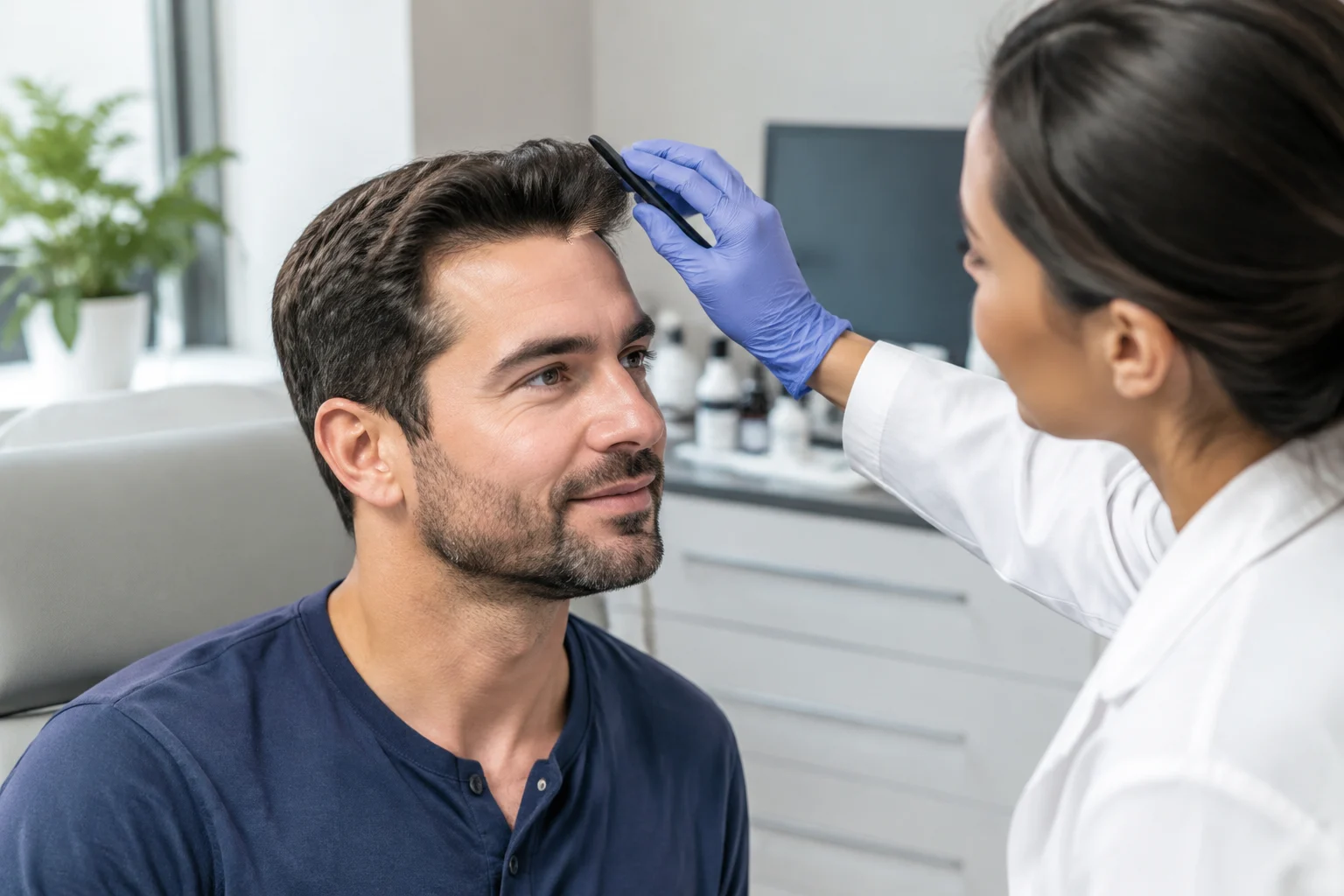
Getting started with a hair transplant
For Lavon residents considering hair restoration, the first step is a professional assessment—not choosing a procedure from a photograph or online promotion. Hair loss may be related to inherited patterns, health conditions, medications, or other factors. A clinician can assess your scalp and hair, ask about your medical history, and explain whether further evaluation or treatment should come before surgery. If you are comparing providers outside Lavon, ask whether the first conversation can happen remotely and which parts of care require an in-person visit.
A hair transplant moves hair follicles from a donor area, often at the back or sides of the scalp, to areas where more coverage is desired. The details depend on the individual and the provider’s approach. Commonly discussed methods include follicular unit transplantation (FUT) and follicular unit extraction (FUE). Neither method is automatically best for everyone; suitability depends on factors such as donor hair, the pattern of loss, personal goals, and clinical judgment.
How to compare providers
Look beyond convenience and advertising when evaluating a hair transplant clinic serving Lavon. Ask who will assess you, who will perform each part of the procedure, and what qualifications and experience those professionals have. Request an explanation of the recommended plan, including why it fits your needs and what alternatives are available. A trustworthy consultation should leave room for questions and should not pressure you to book immediately.
- Confirm the clinic’s location and whether consultation, surgery, and follow-up happen at the same site.
- Ask what the quoted fee includes, such as assessment, procedure, medications, and follow-up visits.
- Discuss possible risks, expected healing, and what to do if you have concerns after surgery.
- Ask how results are documented and what realistic outcomes may look like for your pattern of hair loss.
- Check whether the provider recommends ongoing treatment to address continuing or future hair loss.
Be cautious of guarantees, unusually low prices without clear details, or claims that every patient will achieve the same result. Transplant outcomes vary, and visible change takes time. Request written information you can review at home, and consider a second opinion if the recommendation or cost is unclear.
Planning appointments from Lavon
Lavon residents may need to travel to a provider in a nearby community for an in-person evaluation or procedure. Before scheduling, verify the exact location directly with the clinic and consider drive time, appointment length, transportation, and any support you may need afterward. Do not assume a virtual consultation replaces an in-person examination or that a clinic offers a particular service locally. Ask which appointments can be remote, how follow-up is handled, and whom to contact between visits.
Make a practical plan for time away from work and regular activities. The clinic should explain its own pre-procedure instructions, recovery guidance, and restrictions. Follow those directions rather than relying on general advice from social media. If you have a health condition or take medication, tell the care team before treatment; do not stop prescribed medication unless the clinician managing it advises you to do so.
Understanding candidacy and expectations
A hair transplant is a surgical option, not a quick or guaranteed fix. The clinician should discuss whether you have enough suitable donor hair, whether your hair loss pattern is stable enough for planning, and how future loss could affect the overall appearance. You may be advised to consider medical treatment, another non-surgical approach, or no procedure. Ask about the likely timeline for healing and growth, the possibility of more than one treatment, and what results are realistic for your individual characteristics.
Good planning includes a clear estimate of the full cost and a follow-up schedule. Compare written treatment plans rather than relying on a single headline price. With a qualified assessment, careful provider research, and realistic expectations, Lavon residents can make a more informed decision about whether hair restoration fits their goals and circumstances.
Hair Restoration for the Lavon Community
Lavon offers a small-town setting in Collin County, while residents may look beyond the city when comparing specialized medical services. For hair transplant care, that can mean researching qualified providers in Lavon and nearby communities and confirming where each stage of treatment takes place. Since a transplant typically includes assessment, procedure planning, and follow-up, knowing the location and appointment format in advance can make the process easier to fit around work, family responsibilities, and travel.
A convenient option is not necessarily the right clinical choice. Lavon residents can compare providers by asking about credentials, recommended techniques, costs, recovery guidance, and access to follow-up care. If a remote consultation is available, it may help with an initial discussion, but ask whether an in-person examination is needed before a treatment plan is confirmed. The right provider should explain both surgical and nonsurgical options without promising a particular result.
Planning ahead can help you make a decision that feels informed rather than rushed. Confirm the clinic’s current location, appointment requirements, and transportation considerations directly with its staff. A personalized evaluation can clarify whether a hair transplant is suitable, what the process involves, and how care can be coordinated from Lavon.
Frequently Asked Questions About Hair Transplant in Lavon, Texas
Who may be a good candidate for a hair transplant?
Candidacy depends on the cause and pattern of hair loss, the amount and quality of donor hair, overall health, and expectations. A consultation can help determine whether transplantation is appropriate or whether another approach should be considered first. Hair loss that is still changing may affect how a treatment plan is designed. Bring details about when shedding began, any relevant health conditions, and treatments you have tried so the clinician can assess your situation.
What is the difference between FUE and FUT hair transplant methods?
FUE generally involves removing individual follicular units from the donor area, while FUT removes a strip of scalp that is divided into grafts. Both approaches aim to move hair follicles to areas with thinning or loss, but they differ in how donor tissue is collected and in factors such as scarring and recovery. The suitable method depends on your donor area, goals, and clinical assessment. Ask the clinician to explain the trade-offs for your specific case.
What should I bring to a hair transplant consultation?
Bring a list of medications and supplements, relevant medical history, and notes about your hair-loss timeline and family history if known. It can also help to describe treatments you have used and what you hope to change. The clinician may examine your scalp and discuss photographs or other assessments. Be ready to ask about candidacy, the proposed technique, risks, recovery, and follow-up. You do not need to decide on a procedure during the first discussion.
How is the cost of a hair transplant determined?
The total cost can depend on the number of grafts recommended, the technique, the complexity of the case, and what care is included before and after the procedure. A personalized assessment is needed before a meaningful estimate can be given, so avoid comparing quotes without checking what each covers. Ask for a written breakdown of fees, possible additional costs, follow-up arrangements, and payment terms. No estimate should be treated as a promise of a particular result.
What is recovery like after a hair transplant?
Recovery varies with the technique and individual healing. Your care team should provide specific instructions for washing, sleeping, activity, and caring for the donor and recipient areas. Plan ahead for any time away from work or exercise, and ask when you can safely resume your usual routine. Some temporary redness, tenderness, or swelling may occur, but contact the clinic for guidance if symptoms concern you. Follow the instructions you receive rather than relying on general timelines.
When should I expect to see results from a hair transplant?
Hair growth after transplantation takes time, and visible change is gradual rather than immediate. Some transplanted hairs may shed before later growth, so an early appearance does not necessarily show the final outcome. The timeline and degree of change differ from person to person and depend on the treatment plan and healing. Ask your clinician what milestones to expect, how progress will be reviewed, and when to contact the care team if you have concerns.
If I live in Lavon, what should I ask about travel and follow-up care?
Before scheduling, confirm where consultations, the procedure, and follow-up visits take place, and how many visits may be needed. Ask whether someone should accompany you, what transportation is advisable after treatment, and whom to contact with post-procedure questions. If the clinic is not nearby, clarify how routine check-ins and urgent concerns are handled. Planning these details in advance can make care easier to coordinate from Lavon without assuming that every appointment will be available locally.
Should I consider treatments other than a hair transplant?
A transplant is not the only possible response to hair loss. Depending on its cause, a clinician may discuss observation, medical treatments, or evaluation for an underlying condition. These options have different benefits, limitations, and risks, and not every treatment suits every person. A professional assessment can help distinguish patterned hair loss from other causes and explain what may help preserve existing hair. Ask how any recommended option fits your goals and whether ongoing treatment would be needed.