
Your Next Steps for Plastic Surgeon Near The Colony
Choosing a plastic surgeon is a personal decision that deserves careful research, clear communication, and time to consider your options. If you live in The Colony, you can begin by identifying the procedure or concern you want to discuss, then looking for qualified surgeons serving the area and broader North Texas region. A first consultation can help you understand whether a procedure may be appropriate, what results are realistic, and what recovery could involve in your circumstances.
Plastic surgery includes cosmetic procedures as well as reconstructive care, and the right provider depends on your needs. Compare training, experience with the procedure you are considering, surgical facility standards, and the way the practice answers your questions. Before scheduling, confirm where appointments and procedures take place, what follow-up care is available, and whether travel from The Colony fits your recovery plan. These steps can help you make an informed choice without feeling rushed.
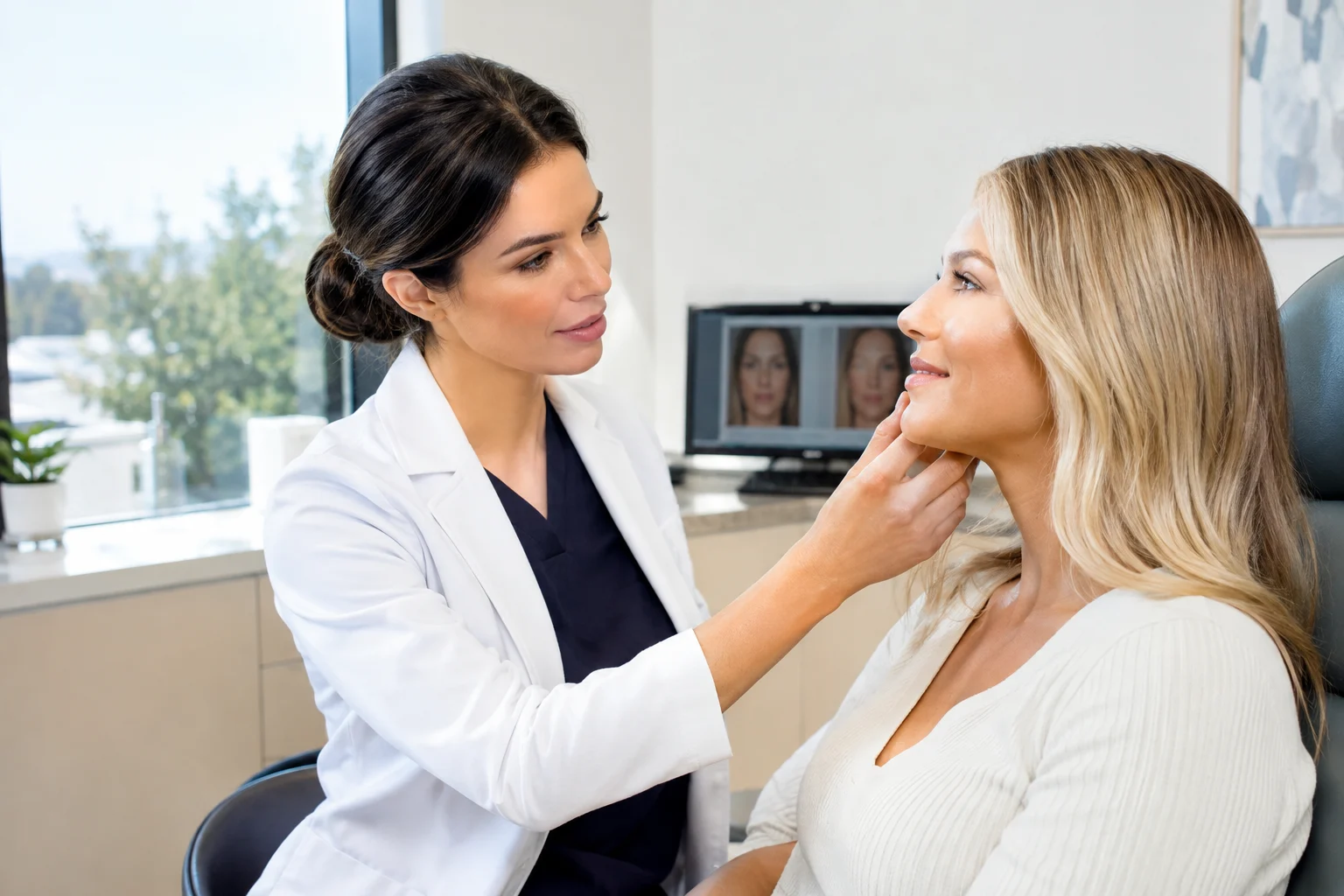
Finding plastic surgery care near The Colony
Residents of The Colony can start their search by asking a primary care clinician for a referral, checking their health plan’s provider directory when coverage may apply, or researching plastic surgeons who serve The Colony and surrounding North Texas communities. A referral can be a useful starting point, but it does not replace your own review of a surgeon’s qualifications and approach. Some people seek cosmetic care, while others need reconstructive surgery after an injury, illness, or previous treatment. Explain your goals and medical history when arranging a consultation so the office can direct you to the appropriate service.
Plastic surgeons may offer different procedures and focus areas. Review the surgeon’s training and experience with the specific procedure you are considering, rather than relying only on general descriptions or promotional photos. For an additional credential check, look for certification by the American Board of Plastic Surgery and confirm it through the board’s official verification resources. Ask which licensed facility would be used for surgery and what safety standards apply. Your consultation should give you time to discuss benefits, risks, alternatives, and the possibility that a procedure may not be suitable for you.
What to ask at a consultation
A useful consultation is a two-way conversation. Share what you hope to change or restore, relevant health conditions, medications and supplements, prior procedures, and your expectations for recovery. The surgeon can assess your individual situation and explain possible options. Consider bringing a written question list and, if helpful, a trusted support person. You may want to ask:
- What training and experience do you have with this procedure?
- What outcomes are realistic for me, and what limitations should I understand?
- What are the main risks, alternatives, and potential complications?
- Where would the procedure take place, and who provides anesthesia?
- What should I expect before surgery, during recovery, and at follow-up visits?
- Who should I contact if I have a concern after the procedure?
- What costs are included, and could there be separate facility, anesthesia, or follow-up charges?
For reconstructive care, ask the office to explain how the proposed treatment relates to your diagnosis and whether documentation or coordination with another clinician is needed. Coverage varies by plan and procedure, so contact your insurer directly to confirm benefits, authorization requirements, and any out-of-pocket costs. Cosmetic procedures are often paid for differently from medically necessary care; request a written cost estimate and ask about payment terms before making a commitment.
Plan for travel, recovery, and follow-up
Looking beyond The Colony may give you more options to compare, but convenience matters, especially after surgery. Ask where consultations, procedures, and follow-up appointments will occur and how many visits may be recommended. Travel time, transportation, and access to a responsible adult can affect your plans. If you will have anesthesia or a procedure that limits movement, ask the care team what assistance and transportation are required; do not assume you can drive yourself home.
Before committing, request written pre-operative instructions, recovery guidance, and a clear contact process for urgent questions. Discuss time away from work, caregiving responsibilities, activity restrictions, and when you may resume normal routines. Healing varies by person and procedure, so avoid planning around guaranteed dates or results. A qualified surgeon should explain the uncertainty, outline follow-up care, and encourage you to take the time you need to decide. You can seek another professional opinion if you want to compare recommendations.
Make an informed decision
Be cautious of pressure to book quickly, promises of perfect or guaranteed results, or unclear answers about credentials, risks, or total costs. Before-and-after images may help you discuss goals, but they cannot predict your individual outcome. Choose a practice that listens, communicates in terms you understand, and gives you time to consider your options. For people in The Colony, a thoughtful search can make it easier to compare local and regional providers while keeping practical needs such as travel and continuity of care in view.
Plastic Surgery Options for The Colony Residents
The Colony is a North Texas community where residents may balance work, family, and other commitments while arranging medical care. When considering a plastic surgeon, it can help to look both within the community and across the wider region rather than assuming every procedure or specialist is available close to home. Ask each practice where consultations, surgery, and follow-up visits take place, and whether the schedule and travel requirements work for you.
Plastic surgery may address a personal cosmetic goal or a reconstructive need, so local access starts with finding a surgeon whose training and experience fit the reason for care. Residents can use clinician referrals, health plan directories where relevant, and independent credential checks to build a shortlist. During consultations, compare communication, safety information, proposed care, and total costs—not simply distance or advertising. If surgery is being considered, plan for transportation, help at home, and follow-up appointments according to the surgeon’s instructions. These practical steps can help people in The Colony pursue appropriate care with realistic expectations and a clear understanding of what comes next.
Frequently Asked Questions About Plastic Surgeon in The Colony, Texas
What should I expect at a plastic surgery consultation in The Colony?
A consultation usually begins with a discussion of what you would like to change, your health history, medications, and any prior procedures. The surgeon can assess whether surgery may suit your goals, explain possible approaches, and discuss likely recovery, risks, and alternatives. Bring a list of questions and be candid about your expectations. You should have time to consider the information and ask for clarification before deciding whether to proceed.
How can I evaluate a plastic surgeon before choosing one?
Look into the surgeon’s training and credentials, experience with the procedure you are considering, and the setting where surgery would take place. Ask who will perform each part of your care, what follow-up is included, and how complications are handled. Reviewing before-and-after photographs may help you understand a surgeon’s work, but results vary. You can also verify credentials through the relevant professional organizations and state resources rather than relying on advertising alone.
How do I know whether surgery or a nonsurgical treatment is right for me?
The right option depends on the concern being treated, your health, and how much change you hope to achieve. Nonsurgical treatments may offer a more limited or temporary change, while surgery can involve greater recovery time and risks. A plastic surgeon can explain what each approach may realistically accomplish, whether either is appropriate for you, and what alternatives exist. Be cautious of anyone promising a particular result or suggesting that one treatment suits everyone.
How much recovery time should I plan for after plastic surgery?
Recovery varies by procedure, the extent of treatment, and your individual health. Ask your surgeon for a procedure-specific estimate of time away from work, limits on lifting or exercise, follow-up visits, and when you may resume driving. Arrange help at home if you may need it, and avoid scheduling important commitments too close to surgery. Your care team’s instructions should guide your activity; do not use another person’s recovery as a timetable for yours.
What determines the cost of plastic surgery?
The total cost can depend on the procedure, anesthesia, facility fees, testing, medications, and follow-up care. Request a written estimate that explains what is included and what could be billed separately, and ask how additional care would be handled if needed. If payment plans are offered, review their terms carefully. Comparing estimates is most useful when you also compare the proposed treatment, care setting, and follow-up—not just the headline amount.
Will health insurance cover plastic surgery?
Coverage often depends on whether a procedure is considered medically necessary or elective, as well as the details of your insurance plan. Cosmetic procedures are commonly not covered, while some reconstructive or functional procedures may qualify under specific criteria. Contact your insurer before scheduling and ask what documentation, referrals, or prior authorization may be required. A surgeon’s office may help explain its billing process, but your insurer makes the coverage determination.
What risks should I discuss before having plastic surgery?
Every operation has potential risks, which may include bleeding, infection, reactions to anesthesia, scarring, changes in sensation, or results that differ from your expectations. The likelihood and type of risk vary with the procedure and your health. Ask which risks are most relevant to you, how complications are recognized and treated, and what warning signs require prompt attention. Share your full medical history, medications, supplements, and nicotine use so your care team can assess your situation.
Can I combine plastic surgery procedures in one operation?
Combining procedures may be an option for some patients, but it is not appropriate for everyone. The surgeon should consider your health, the length and complexity of the operation, anesthesia exposure, and the demands of recovery. Ask what benefits and added risks apply to your specific plan, whether staging procedures would be safer, and how combined treatment could affect aftercare. A recommendation should be based on an individual assessment, not simply on convenience or a desire to reduce visits.