
Chemical Peels: How They Work, Benefits, Risks, and Aftercare
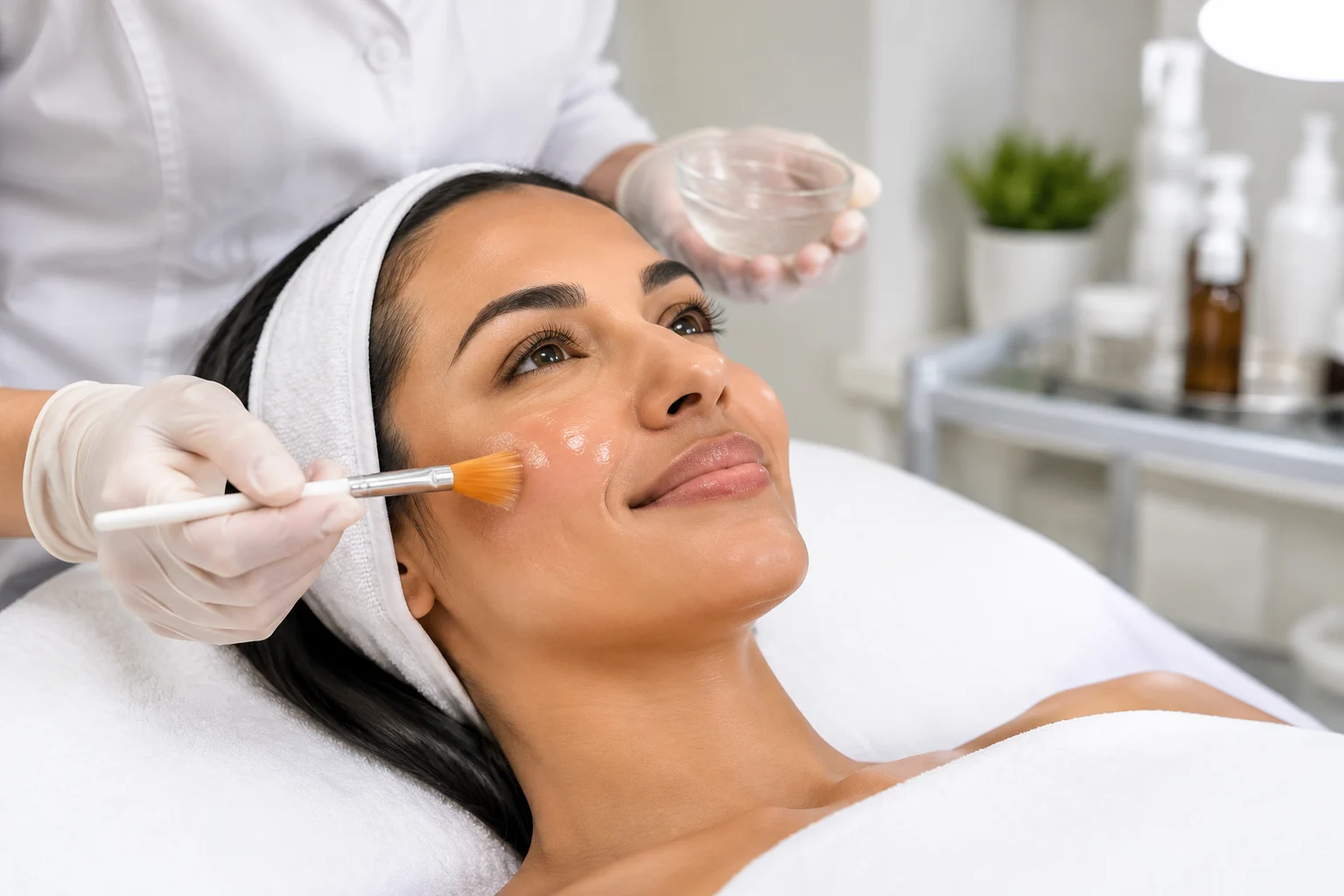
A chemical peel is a skin treatment that uses a carefully selected solution to exfoliate the outer layers of skin. As treated skin sheds, fresher skin appears underneath. Peels can help improve the look of certain concerns, such as uneven tone, rough texture, fine lines, and some types of acne—but results and recovery depend on the peel’s strength, your skin, and the provider’s approach.
Before booking a treatment, learn what a chemical peel can and cannot do, how to prepare, and what aftercare involves. A qualified skincare or medical professional can help you choose an option that suits your goals and skin type.
What Is a Chemical Peel?
A chemical peel is a procedure in which a solution is applied to the skin to loosen and remove some of its surface cells. The depth of exfoliation varies. Some peels work mainly on the outermost layer, while stronger treatments reach deeper layers of the skin. The treatment may be performed on the face, neck, chest, or hands, depending on the product and the provider.
Common peel ingredients include alpha hydroxy acids, such as glycolic or lactic acid; beta hydroxy acids, such as salicylic acid; trichloroacetic acid (TCA); and, in certain deep peels, phenol. The ingredient and concentration alone do not determine how strong a peel will be. Application technique, skin preparation, and treatment time also matter.
Types of Chemical Peels
Superficial peels
Superficial, or light, peels affect the outermost skin layer. They may use mild acids and are often chosen to address dullness, mild uneven tone, rough texture, or some acne concerns. Recovery is usually shorter than with deeper treatments, although temporary redness, dryness, or flaking can occur. A series of treatments may be recommended rather than expecting a dramatic change from one session.
Medium peels
Medium-depth peels reach further into the skin and may be used for more noticeable sun damage, uneven pigmentation, or fine lines. They can involve more downtime, redness, swelling, and peeling than light peels. Because the effects and risks are greater, a trained professional should assess your skin and explain the expected recovery before treatment.
Deep peels
Deep peels reach deeper layers and are less commonly used. They can produce more substantial changes but also carry a higher risk of complications and require careful medical supervision and recovery planning. They are not suitable for everyone, and alternatives may be safer or more appropriate for particular skin concerns.
Potential Benefits and Limitations
Depending on the peel and your individual skin, treatment may improve the appearance of mild discoloration, sun-related spots, roughness, dullness, fine lines, or some forms of acne. By encouraging surface skin to shed, a peel can leave the complexion looking smoother or more even as it heals.
A peel does not permanently stop aging, remove every type of scar, or guarantee a specific result. Deeper wrinkles, raised scars, and some pigment concerns may need a different approach or a combination of treatments. Results also vary with skin tone, the condition being treated, the peel selected, and how well you follow aftercare guidance. Ask your provider what improvement is realistic for you.
Who May Be a Candidate?
A chemical peel may be worth discussing if you have a specific skin concern and are able to follow the preparation and recovery instructions. A provider should review your medical history, skin-care routine, previous treatments, and medications before recommending a peel.
Be sure to mention a history of cold sores, unusual scarring, recent skin procedures, active irritation or infection, and any products or medicines that affect your skin. Some conditions or treatments may increase the chance of irritation, delayed healing, or pigment changes. People with darker skin tones can have a higher risk of unwanted pigment changes from certain peels, but that does not automatically rule out treatment; experience with your skin tone and careful peel selection are important. Do not stop prescription medication or start a peel regimen without professional guidance.
What to Expect During Treatment
At a consultation, the provider should examine your skin, discuss your goals, explain likely benefits and risks, and outline the recovery period. You may be advised to adjust your skin-care routine or avoid particular products before treatment. Follow the provider’s instructions rather than preparing with strong acids or retinoids on your own.
During a peel, the skin is cleansed and the solution is applied for a controlled period. You may feel tingling, warmth, or stinging. The solution is then neutralized or removed when appropriate. The sensation and length of the appointment vary by peel. Ask how pain is managed and what you should do if discomfort feels intense.
Recovery and Aftercare
After treatment, temporary redness, tightness, sensitivity, dryness, or flaking may occur. The degree and duration depend on the peel depth. Skin can be especially vulnerable while it heals, so follow the written aftercare plan and contact your provider if you are unsure whether a reaction is expected.
- Use only the gentle cleanser, moisturizer, and other products approved by your provider.
- Do not pull, scrub, or pick at peeling skin; doing so can increase the risk of irritation, scarring, or discoloration.
- Protect treated skin from the sun. Use a broad-spectrum sunscreen of SPF 30 or higher and follow your provider’s guidance about sun exposure.
- Avoid exfoliants, retinoids, and other potentially irritating products until your provider says it is safe to restart them.
Contact your provider promptly if you develop severe or worsening pain, significant swelling, blistering, signs of infection, or symptoms that concern you. Seek urgent medical care for a serious reaction.
Choosing a Qualified Provider
Look for a licensed, appropriately trained professional with experience performing the specific peel you are considering. Ask who will perform the procedure, how they assess skin type, what risks apply to you, what recovery looks like, and what follow-up care is available. A responsible provider will welcome questions, explain alternatives, and avoid promising perfect or guaranteed results. Be cautious about strong at-home peels or products that make medical-strength claims without clear, reliable instructions.
Conclusion
Chemical peels can be a useful option for improving selected skin concerns, but the right treatment depends on your skin, goals, and tolerance for downtime. Start with a consultation, choose an experienced provider, and take aftercare and sun protection seriously to support safer healing.