
Venus Viva: How It Works, Benefits, Treatment, and Recovery
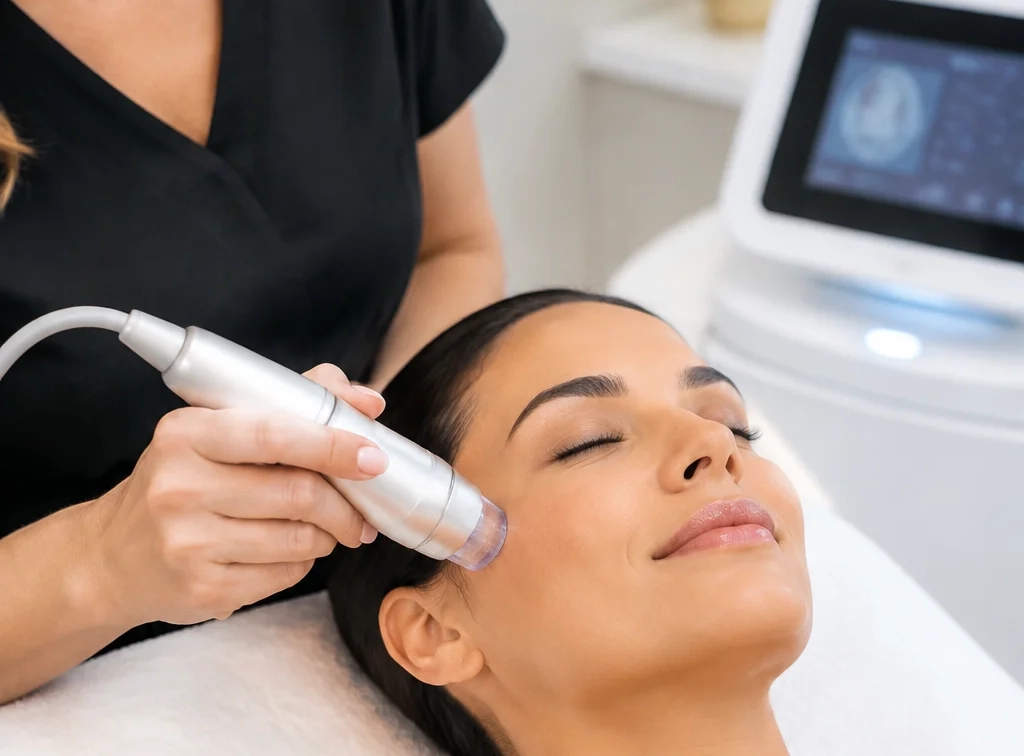
Venus Viva is a professional skin-resurfacing treatment that uses radiofrequency (RF) energy to address certain textural and tone concerns. It is often discussed as an option for people looking to soften the appearance of acne scars, enlarged pores, fine lines, or uneven skin. Results and suitability vary, so a consultation with a qualified provider is an important first step.
What Is Venus Viva?
Venus Viva is a device-based treatment that delivers RF energy through a specialized applicator. Some versions use a fractional approach: energy is applied to small, targeted areas while surrounding skin is left untreated. This creates controlled treatment zones that prompt the body’s natural skin-repair response.
The device and its settings may differ by clinic and treatment plan. Venus Viva is not the same as a chemical peel, laser resurfacing, or at-home skincare device, and it should be operated by a trained professional. Ask your provider which handpiece and settings they use, what the treatment is intended to address, and whether it is appropriate for your skin.
What Skin Concerns Can It Address?
A provider may recommend Venus Viva for selected concerns involving skin texture and appearance, such as:
- Uneven texture and the look of enlarged pores
- Some types of acne scarring
- Fine lines and mild signs of skin aging
- Uneven tone or roughness
- Selected scars or stretch marks, depending on the individual case
These are potential treatment goals, not guaranteed outcomes. The depth, cause, and age of a scar, as well as skin type and medical history, can affect what is realistic. Venus Viva is not a substitute for diagnosis or treatment of a skin condition such as active acne, rosacea, or a suspicious lesion.
How Does Venus Viva Work?
During treatment, the applicator delivers RF energy to planned areas of the skin. The resulting controlled heating is intended to support collagen remodeling and the skin’s repair process. With fractional delivery, treated micro-zones are surrounded by untreated skin, which can support recovery.
The treatment does not remove every imperfection in one session. Changes generally develop gradually as the skin heals, and a series of treatments may be recommended. The number and spacing of sessions depend on the concern being treated, the provider’s assessment, and your response.
What Happens During a Treatment?
Before your appointment
Your provider should review your goals, health history, medications, skin-care routine, and history of cold sores or scarring. They may examine your skin and discuss alternatives, expected downtime, risks, and costs. Tell them about recent tanning or sunburn, active skin irritation or infection, and any treatments you have had recently.
Follow the clinic’s preparation instructions rather than stopping medication or changing your routine on your own. Depending on your circumstances, the provider may ask you to pause certain irritating products or postpone treatment until the skin has settled.
During the session
The treatment area is usually cleansed, and a topical numbing cream may be applied to improve comfort. The provider then passes the applicator over the target area. People commonly describe the sensation as warmth, prickling, or brief discomfort, but experiences vary. Appointment length depends on the size of the area and the treatment plan.
Recovery and Aftercare
Temporary redness, warmth, swelling, sensitivity, or a rough, sandpaper-like feel may occur. The intensity and duration depend on the settings, treatment area, and individual response. Your provider should explain what to expect and when to contact the clinic.
For aftercare, follow the instructions you receive. These often include keeping the skin clean, using gentle products, avoiding picking or scrubbing, and protecting the area from sunlight with appropriate sun protection once advised. Avoid restarting exfoliants, retinoids, or other potentially irritating products until your provider says it is safe. Do not apply products to compromised skin unless your clinician recommends them.
Contact your provider promptly if you develop severe or worsening pain, spreading redness, unusual discharge, blistering, or another unexpected reaction. A clinician can assess whether it is part of normal healing or needs attention.
How Many Treatments Are Needed, and When Will Results Show?
Some people are advised to have multiple sessions spaced apart, rather than relying on a single appointment. The schedule depends on the treatment area, skin concern, device settings, and healing. Improvements, when they occur, tend to appear over time rather than immediately. Ask your provider for a realistic timeline and how progress will be evaluated.
Results are not permanent in the sense of stopping natural aging or preventing new skin concerns. Maintenance may be discussed, but it is not appropriate for everyone. Before committing, ask for an estimate of the full course, including any follow-up visits and maintenance costs.
Risks and Who Should Seek Medical Advice First
As with any procedure that affects the skin, side effects are possible. These can include prolonged redness or swelling, burns, infection, scarring, changes in skin color, or a flare of an existing skin condition. The likelihood of a complication can depend on the device settings, the operator’s technique, and personal risk factors.
Venus Viva may not be suitable for everyone. An assessment is particularly important if you are pregnant, have an active infection or open wound in the treatment area, have a history of abnormal scarring or pigment changes, or have a medical condition or medication that may affect healing. This list is not exhaustive. Your provider should determine whether treatment is appropriate for you and may recommend waiting or choosing another option.
How to Choose a Provider
Choose a licensed, appropriately trained professional who has experience treating your skin type and concern. Ask who will perform the procedure, what training they have, how they manage complications, and whether they can show examples of results for patients with similar needs. A trustworthy provider will explain limitations, discuss alternatives, and avoid promising a specific outcome.
Conclusion
Venus Viva is one option for professional skin resurfacing that may help improve the appearance of selected texture concerns. The best plan depends on your skin, goals, and health history. A thorough consultation can help you weigh likely benefits, downtime, risks, and alternatives before deciding.