
HydraFacial: How It Works, Benefits, and What to Expect
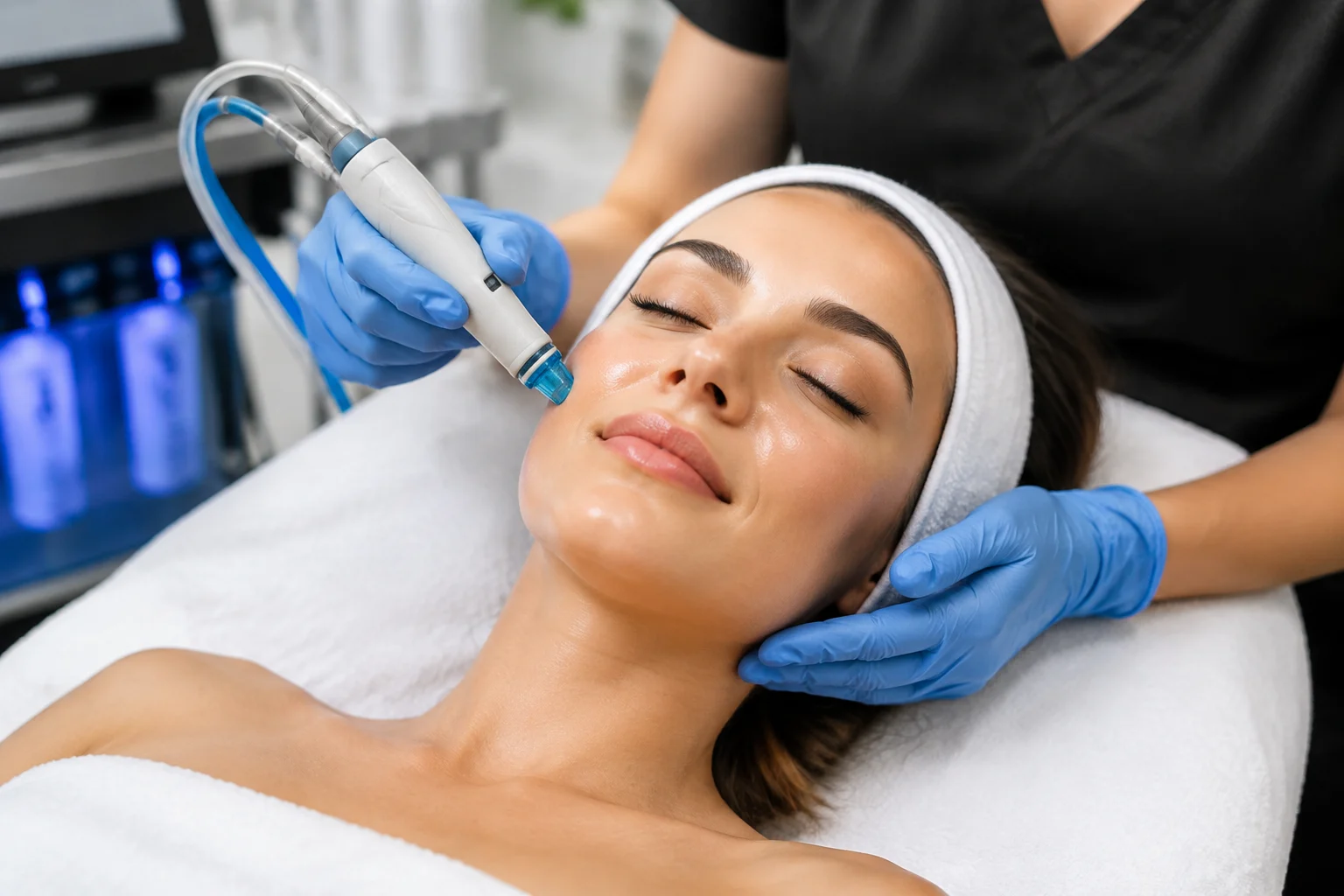
HydraFacial is a non-surgical facial treatment designed to cleanse and exfoliate the skin, remove surface-level buildup, and apply hydrating skincare products. It is often chosen by people looking for a refreshed appearance with little downtime. While the treatment can leave skin looking smoother and more radiant, results vary, and it is not a replacement for medical care or a personalized skincare routine.
What Is a HydraFacial?
HydraFacial is a branded facial treatment that uses a handheld device and specialized tips to deliver a series of skincare steps. Depending on the provider and treatment plan, these may include cleansing, gentle exfoliation, extraction of some pore debris, and application of moisturizing or antioxidant-containing products.
The treatment is commonly described as comfortable and non-invasive. It does not use needles, and most sessions do not involve significant peeling or recovery time. However, the exact experience depends on the settings, products, and any optional add-ons selected.
How Does a HydraFacial Work?
A typical appointment follows several stages. The provider may adjust the steps to suit your skin and goals, so ask what is included before booking.
1. Cleanse and exfoliate
The provider cleans the skin and uses the device to help loosen dead skin cells and surface impurities. Some treatments also use a mild exfoliating solution. Exfoliation can make skin feel smoother, but it may not be appropriate at the same intensity for everyone.
2. Extract pore debris
A device tip creates suction to help remove some oil and debris from pores. This is generally gentler than manual extraction, though sensitive skin may still become temporarily pink or irritated.
3. Hydrate and apply skincare products
The final stage typically involves applying hydrating products, which may include ingredients such as humectants or antioxidants. Formulas vary, so tell your provider about allergies, sensitivities, and products that have caused reactions in the past.
Potential Benefits of HydraFacial
Many people choose HydraFacial for an immediate, refreshed look and the convenience of a treatment that typically requires little recovery time. Possible short-term benefits include:
- Skin that feels softer and looks more hydrated
- A smoother-looking surface after exfoliation
- Temporary improvement in the appearance of dullness or congestion
- A relaxing treatment that can be tailored to some common skincare concerns
Results are usually cosmetic and may be temporary. One session cannot permanently change pores, erase wrinkles, or treat the underlying cause of acne, rosacea, or pigmentation. A qualified skincare professional can help determine whether HydraFacial fits into a broader plan.
Who Might Consider a HydraFacial?
HydraFacial may suit people who want a gentle facial focused on cleansing, exfoliation, and hydration. It is often offered for a range of skin types, but “suitable for all skin types” does not mean it is the right choice for every person or every skin condition.
Check with a dermatologist or qualified provider before treatment if you have active irritation, a sunburn, open wounds, a skin infection, a recent procedure, or a condition that makes your skin unusually sensitive. People with a history of allergic reactions should ask for a full ingredient list and discuss whether a patch test is appropriate. If you are pregnant, nursing, or using prescription skin treatments, mention this during your consultation so the provider can review the products and treatment plan.
What to Expect During and After Treatment
A session often takes around 30 to 60 minutes, though appointment length varies. Your provider should review your skin history and goals, explain the steps, and invite you to speak up if anything feels uncomfortable. You may notice a mild suction sensation or brief tingling, but the treatment should not be painful.
Most people return to their usual activities afterward. Mild redness, tightness, or sensitivity can occur and generally settles on its own. Follow your provider’s aftercare advice, use a gentle moisturizer, and apply broad-spectrum sunscreen. Avoid introducing strong exfoliants or other irritating products immediately afterward unless your provider says they are suitable.
How to Prepare for a HydraFacial
Preparation is usually simple, but follow the clinic’s instructions. Before your appointment:
- Share your skincare routine, medical history, allergies, and any recent procedures.
- Ask whether you should pause retinoids, acids, or other potentially irritating products.
- Avoid scheduling over irritated or sunburned skin.
- Confirm which products and optional add-ons will be used.
Do not stop a prescription medication without advice from the clinician who prescribed it. If you are unsure whether a product or condition affects your suitability, ask before the appointment rather than waiting until treatment begins.
How Often Should You Get a HydraFacial?
There is no single schedule that works for everyone. Some clinics suggest monthly appointments, while others recommend less frequent treatments based on skin goals, sensitivity, and budget. More frequent treatment is not automatically better. Ask your provider to explain the proposed schedule and how you will assess whether it is helping.
HydraFacial Cost and Choosing a Provider
Pricing varies by location, provider, session length, and add-ons. Request the total cost in advance, including any consultation fees, and be cautious of packages that promise guaranteed results. The treatment’s brand name alone does not guarantee a particular outcome or level of care.
Choose a reputable clinic that follows hygiene practices, uses appropriate products, and has trained staff. A good provider will discuss realistic expectations, potential irritation, alternatives, and reasons to postpone treatment. They should not pressure you into extra services or claim that one facial can cure a medical skin condition.
HydraFacial FAQs
Does a HydraFacial hurt?
Most people describe it as comfortable, with a light suction or tingling sensation. Tell your provider if you feel pain or significant irritation so they can stop or adjust the treatment.
Is there downtime?
There is usually little downtime, but temporary redness or sensitivity is possible. Individual reactions vary, and your provider can advise you based on your skin and treatment settings.
How long do results last?
Any visible smoothness or glow is generally temporary. How long it lasts depends on your skin, home care, and other factors; results should not be considered permanent.
Conclusion
HydraFacial is a convenient option for cleansing, gentle exfoliation, and hydration, with little expected downtime for many people. Results and suitability vary, so discuss your skin history, goals, and expectations with a qualified provider before booking.